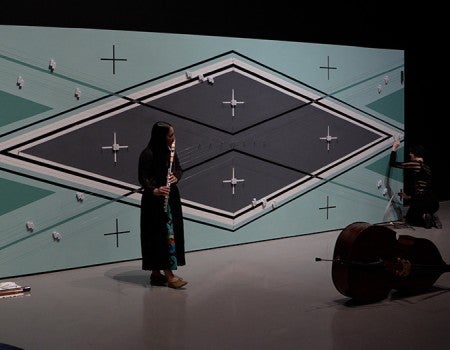
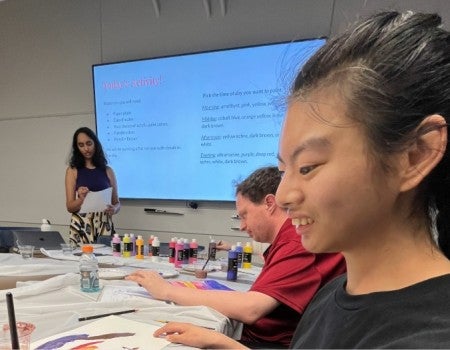
Nameless Sound musicians performed an original score on Nanibah Chacon’s interactive installation following Danza Azteca Macuilxochitl's activation of...
Three Rice faculty members from the Department of Earth, Environmental and Planetary Sciences have recently been honored with career awards, showcasin...
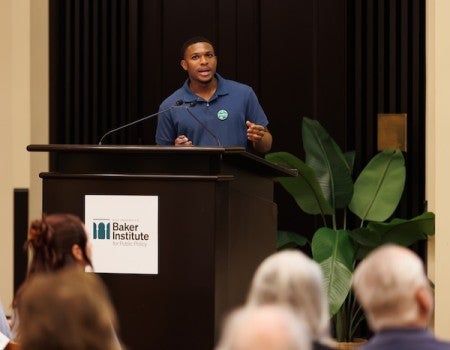
The Science and Technology Policy Program at Rice’s Baker Institute for Public Policy hosted a “science cafe” Oct. 13 to bring research to reality and...
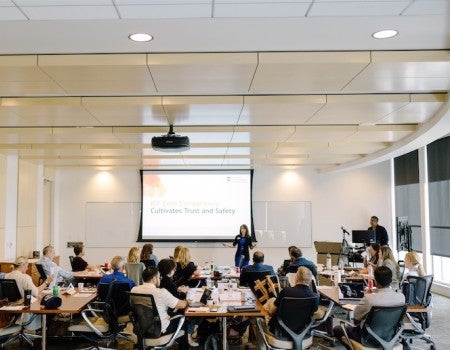
The Doerr Institute for New Leaders at Rice has launched CoachRICE: Team Coaching, a new professional education program designed to help coaches, mana...
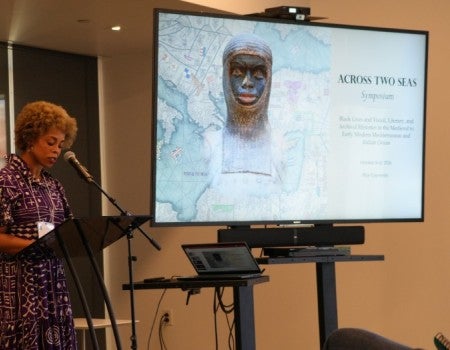
Scholars, curators and filmmaker Daphne Di Cinto gather at Rice to explore Black histories from Renaissance Italy to medieval Africa and Islamic world...
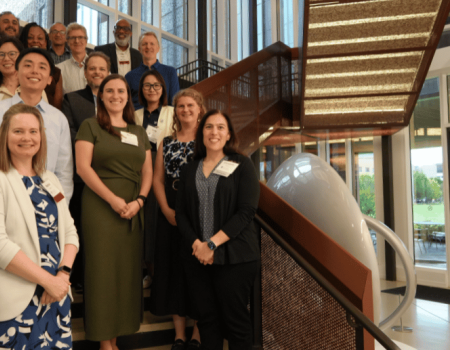
For the sixth fall in a row, Rice welcomed a new group of researchers to STaRT@Rice, giving emerging researchers both the skills and the support to gr...
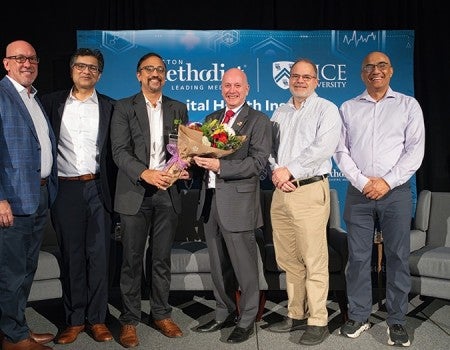
Rice and the Houston Methodist Research Institute have signed a memorandum of understanding with LSE Health at the London School of Economics and Poli...
Rice Business received top billing on two prominent lists rating academic excellence that were announced today: Princeton Review and Entrepreneur magazine’s entrepreneurship ranking (No. 1) and Poets and Quants’ online MBA ranking (No. 5).
Rice and the Indian Institute of Technology Kanpur sign a three-year cooperation agreement to collaborate on issues critical to the United States, India and the globe.
Rice and Houston Methodist have awarded seed grants for research in robotics, imaging, cardiovascular bioengineering, and psychological and behavioral health.
Rice bioengineers, synthetic biologists and cancer researchers celebrated the opening of Rice’s first CPRIT Core Facility, the Genetic Design and Engineering Center, or GDEC, Nov. 10 at the BRC.
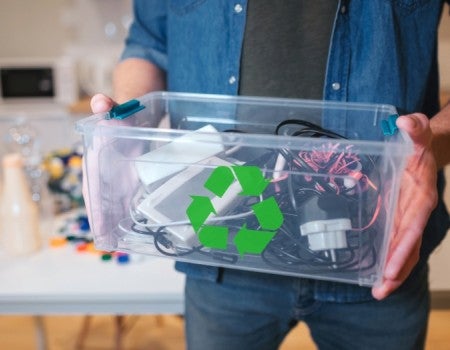
Campus parking tickets are a bit easier to manage... at least this week. Student Success Initiatives, the Rice University Police Department and the Rice Parking Office invite the campus community to pay off unpaid campus parking fines with donations of food and hygiene product donations. All donations will go to The Pantry.
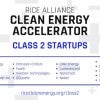
Clean energy startups that are ready for investments and pilot programs will showcase their work during The Rice Alliance Clean Energy Accelerator’s Nov. 17 Demo Day.
Rice faculty members have installed “Building Ecologies” at Post Houston to demonstrate a “circular” strategy that incorporates environmental systems into architecture.
Renowned journalist Dahlia Lithwick will join health policy experts to discuss the major consequences of the U.S. Supreme Court’s ruling on Dobbs v. Jackson that overturned Roe v. Wade and eliminated the constitutional right to abortion.