
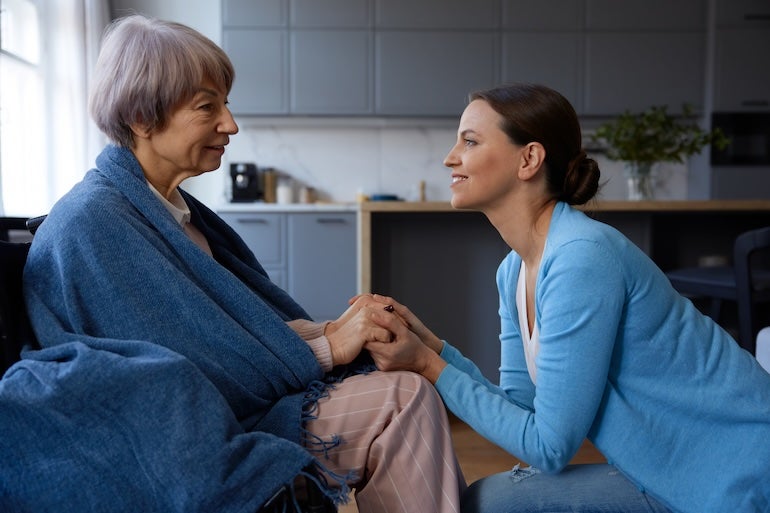
Caring for a spouse with dementia is one of life’s most demanding responsibilities. While the emotional toll is well documented, the physical effects of chronic caregiving stress can vary dramatically from one person to another.
A new Rice University study suggests part of the reason may lie in personality.
Researchers found that certain personality traits may influence how caregiving stress affects the body, helping explain why some caregivers experience greater inflammation and physical decline while others remain relatively resilient despite facing similar challenges.
“We often think about caregiving as stressful, but our findings suggest that the impact of that stress depends partly on the caregiver’s personality,” said Kelly Brice, a postdoctoral research fellow in Rice’s Department of Psychological Sciences and lead author of the study. “Personality traits appear to influence how caregiving stress gets ‘under the skin,’ affecting both physical functioning and biological processes linked to inflammation. That helps explain why some caregivers experience greater health challenges while others are relatively resilient.”
The study, published in Health Psychology, included 219 spouses caring for partners with dementia. Participants completed assessments measuring personality and caregiver burden, provided blood samples to measure inflammation and reported on their physical functioning.
Researchers found that caregivers who scored higher in neuroticism, a personality trait associated with experiencing stress and negative emotions more intensely, and lower in agreeableness, which reflects qualities such as empathy, compassion and cooperativeness, showed the strongest link between caregiving burden, heightened inflammation and poorer physical functioning.
The findings do not suggest personality determines someone’s health, Brice said. Instead, personality may influence how chronic stress affects the body over time.
“Personality traits shape how people perceive and respond to everyday stressors,” Brice said. “The key takeaway is not that personality determines health, but that it may ultimately influence how stress affects the body.”
The research helps answer a longstanding question in caregiving science: Why do two people facing nearly identical caregiving responsibilities experience different health outcomes?
“We already know caregiving is hard on the body,” said Christopher Fagundes, professor of psychological sciences, director of Rice’s Institute of Health Resilience and Innovation and senior author of the study. “What we didn’t know is why two people carrying the exact same load can end up in such different places, health-wise. This study starts to answer that.”
As the population ages and dementia diagnoses continue to rise, the number of spouses serving as caregivers is expected to grow, making it increasingly important to understand who may be most vulnerable to the health effects of chronic stress.
“Caregiving wears people down, but it doesn’t wear everyone down equally,” Fagundes said. “We wanted to understand who’s most at risk and why.”
The findings could eventually help move caregiver support beyond a one-size-fits-all approach.
Because personality traits tend to remain relatively stable over time, identifying caregivers who may be more susceptible to stress-related health problems could help healthcare providers offer additional resources before health declines.
“We give every caregiver the same handout,” Fagundes said. “This research says we should be tailoring support to the person in front of us.”

For families caring for a loved one with dementia, Brice hopes the findings reinforce an important message: Caregivers need care, too.
“One important takeaway is that caregiving affects people differently,” Brice said. “Caring for a spouse with dementia is often a demanding, around-the-clock responsibility, and our findings suggest that some individuals may be more vulnerable than others to the effects of caregiving stress on health.”
She encourages caregivers to seek support early, accept help from others and pay attention to their own well-being alongside that of the person they are caring for.
Next, the research team plans to follow caregivers over time to better understand how personality, stress and health interact throughout the caregiving journey. They also hope to identify the specific coping strategies and behaviors that help some caregivers remain healthier than others, paving the way for more personalized approaches to caregiver support.