
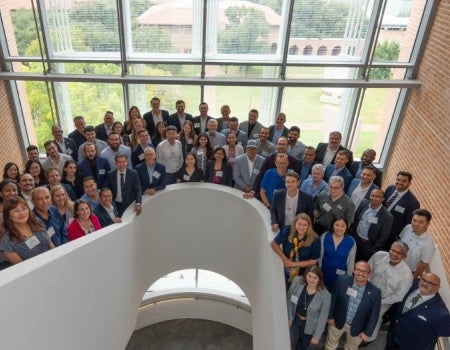

Rice researchers use network analysis to understand mammal food web drivers across Africa
Rice researchers took a big picture approach to studying food webs across sub-Saharan Africa
More than 120 utility leaders, researchers, government officials, entrepreneurs, corporate water teams, engineers and investors gathered at Rice for t...
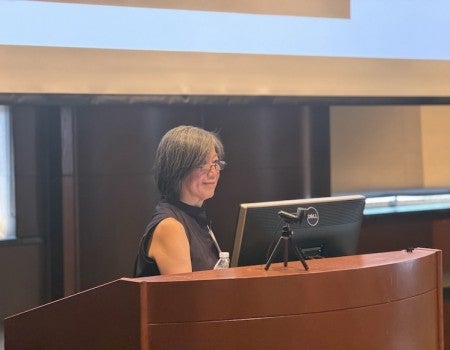
Anne Chao, co-founder and program manager of the Houston Asian American Archive and an adjunct lecturer in Rice's School of Humanities and Arts, share...
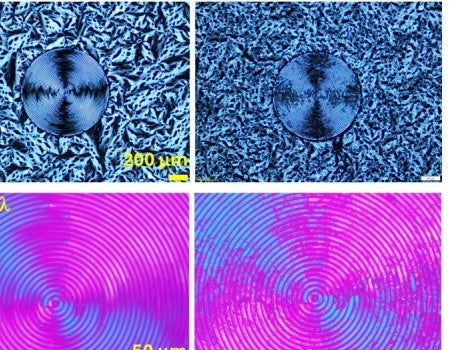
Rice researchers have shown that an organic semiconductor can transform from a liquid crystal into a solid crystal through a rapid, highly coordinated...

Following a hard-fought home loss to Western Michigan, the Rice football team hits the road for a Sept. 26 matchup with Fresno State that renews a riv...

The Friends of Fondren Library at Rice hosted New York Times bestselling author and Houston native Katherine Center at its annual membership celebrati...
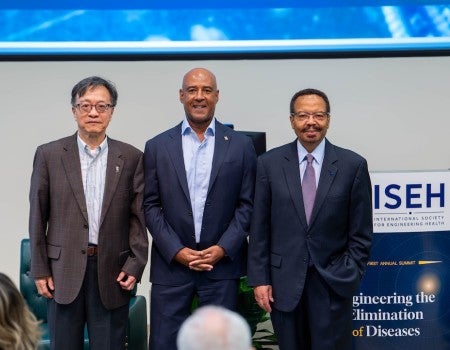
The International Society for Engineering Health held its inaugural summit at Rice....
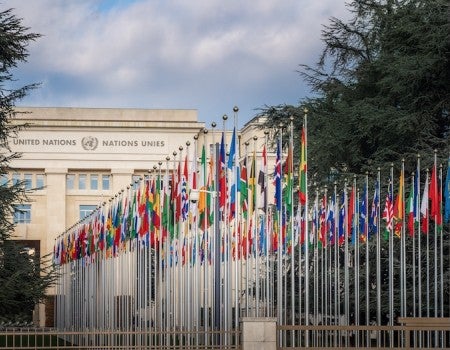
Three experts from Rice will attend Brain Week at the United Nations General Assembly Sept. 21-25 to join an international conversation that reaches w...
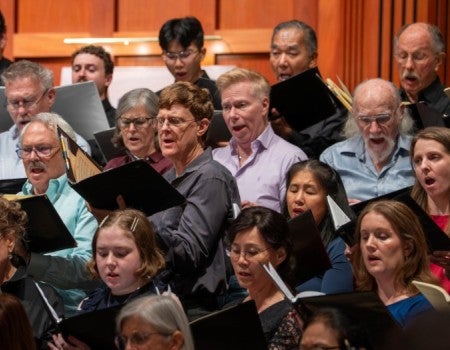
Twenty-five years after the 9/11 attacks, Rice’s Shepherd School of Music honored the anniversary the way it has every year since 2002: by pausing to ...

The Moody Center for the Arts at Rice presents ”Radiant Geometries: Vectors of Knowledge from the Indigenous Americas” this fall, bringing together co...
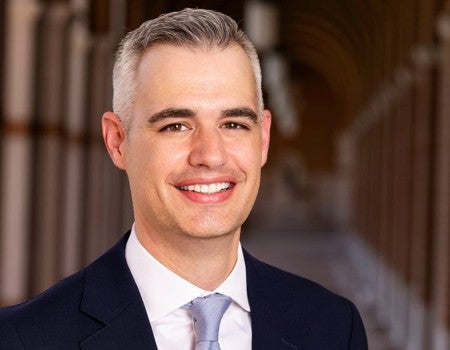
Following a national search, Andrew Billing will become secretary to the Rice Corporation and Board of Trustees on Oct. 1. ...
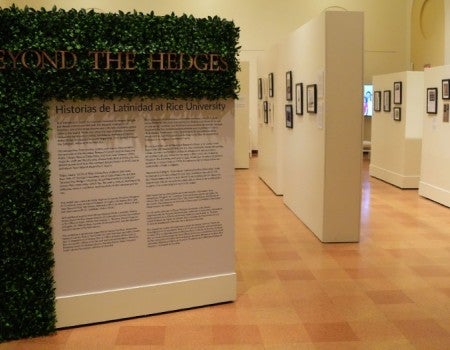
‘Beyond the Hedges: Historias de Latinidad at Rice University’ runs through Dec. 31 at the Julia Ideson Building....
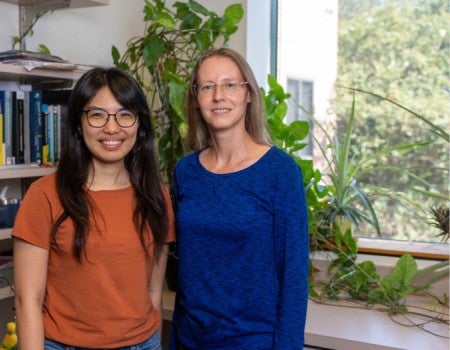
Rice's Natasha Kirienko developed a new screening method that identified drugs that target leukemia cells without unduly harming healthy cells....
Rice researchers use network analysis to understand mammal food web drivers across Africa
Rice researchers took a big picture approach to studying food webs across sub-Saharan Africa

Senior Spotlight 2026: For this aspiring physician, computer science is ‘empowering’ asset
Rice senior Pankti Mehta is channeling her drive to improve how people access and experience health care by combining computer science with hands-on clinical insight.
From arena to archive: Black Houston(s) reframes sport as lived experience
“One of the reasons that we have this symposium in the community is because we want the community to feel like they’re also part of Rice,” university historian Portia Hopkins said.

‘Perfectly symmetrical’ 2D perovskites boost energy transport
Rice scientists have created a new type of 2D semiconductor that comes closer than ever to a “perfect” crystal.

Rice applauds 150-plus employees’ service, impact
Rice President Reginald DesRoches and Kelly Fox, executive vice president for operations, finance and support, greeted employees who have opted to participate in the Voluntary Separation Incentive Program March 27 in the Baker Institute for Public Policy’s Dore Commons.

Study examines diversity of Black perspectives on race relations
A new Rice study offers one of the first national measures of a viewpoint called “racial realism” and considers how it fits into the broader spectrum of perspectives Black Americans hold about race relations.

Leadership in age of AI: John Doerr on purpose, innovation and the future
Venture capitalist John Doerr joined Doerr Institute for New Leaders’ director Bernie Banks at Rice March 26 for a wide-ranging conversation on leadership, technology and the future of work.

‘Nothing short of fantastic’: US Rep. Babin, staff tour Rice labs during campus visit
Rep. Brian Babin (R-Woodville), chairman of the House Committee on Science, Space and Technology, visited Rice March 20 with a delegation of congressional staff to tour research facilities and learn about areas of focus across the university.

Rice walks off UTSA to take series opener
Paul Smith's bases-loaded, two-out walk in the bottom of the 10th gave Rice a 3-2 win over UTSA in the series opener between the schools at Reckling Park on Thursday night.

Study of Women, Gender and Sexuality major and minor build ‘human literacy’ for today’s workplace
“Gender and sexuality studies is social theory made accessible,” said Lora Wildenthal, the John Antony Weir Professor of History and director of Rice’s Center for the Study of Women, Gender and Sexuality.