

The GLP-1 paradox: Rice study finds weight loss drugs may carry unexpected stigma
GLP-1 medications have taken over the national conversation around weight loss, but new research from Rice suggests the social reality may be more complicated.
The GLP-1 paradox: Rice study finds weight loss drugs may carry unexpected stigma
GLP-1 medications have taken over the national conversation around weight loss, but new research from Rice suggests the social reality may be more complicated.
Perovskite solar cells skip yellow phase, degrade slower thanks to key additives
Rice researchers have developed extremely stable perovskite crystalline films for long-lasting, high-efficiency solar cells.

Team UroVac wins top engineering prize for bladder cancer device at Rice’s Huff OEDK Showcase
Team UroVac won top prize at the Huff OEDK Engineering Design Showcase.
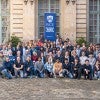
Rice hosts global quantum experts in Paris for cutting-edge conference
A Rice-led conference in Paris convened global experts in cavity quantum electrodynamics to explore new approaches to controlling light-matter interactions and advancing quantum technologies.
Room-temperature multiferroic could pave way to low-energy computing
Rice researchers engineered a new version of a well-known multiferroic that exhibits orders of magnitude higher performance at room temperature than its parent material.
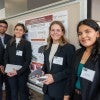
Student innovators from across the globe gathered at Rice’s BioScience Research Collaborative to tackle some of the world’s most urgent health challenges.
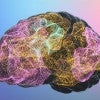
Brain-computer interface based on Rice research wins FDA approval for first clinical trial
Motif Neurotech, a company commercializing technology based on research at Rice, has received approval from the FDA to begin the first clinical trial of its therapeutic brain-computer interface for treatment of treatment-resistant depression.
The Rice Biotech Launch Pad will advance the development of a cell-based therapy for Type 1 diabetes supported by an award from Breakthrough T1D.
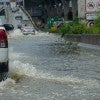
Water resilience research brings more prepared future
This Earth Month, Rice is highlighting a selection of research projects that seek to better understand and build resiliency for extreme water events like flooding.

Rice engineer selected for Air Force Research Lab Visiting Faculty Research Program
Rice electrical and computer engineering professor César A. Uribe has been selected for the Air Force Research Laboratory Visiting Faculty Research Program, a competitive initiative that brings university researchers into Air Force laboratories to collaborate on high-impact research aligned with national defense priorities.

Shared Equipment Authority to celebrate 25 years with symposium
Rice’s Shared Equipment Authority is reaching a milestone. The organization is celebrating its 25 years of existence with a Silver Anniversary Symposium from 9 a.m.-4 p.m. April 29 at the BioScience Research Collaborative with all users, stakeholders, vendors and the larger Rice research community invited to join.
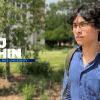
Senior Spotlight 2026: AJ Shin charts intellectual path shaped by curiosity, connection at Rice
A philosophy major with minors in art history, Asian studies and French, AJ Shin’s academic path did not follow a predefined structure.
Scientists at Rice pioneer faster, greener method to recycle lithium-ion batteries
As global demand for lithium-ion batteries continues to surge, a team of Rice researchers has developed a faster, more energy-efficient way to recover critical minerals from spent batteries, potentially easing supply chain pressures and reducing environmental harm.
Rice scientists uncover how protein helps plants grow in early stages
Rice researchers find certain protein helps regulate plant peroxisome’s size changes during the seed to seedling stage.

Rice students tackle racism, homelessness, horror — and win awards doing it
Nearly 100 students presented research and creative work across two days at the annual Humanities and Arts Festival held April 13-14.