
Rice bioengineer wins federal award for Ewing sarcoma research
Rice bioengineer Julea Vlassakis has won $1.1M in federal funding for a project researching Ewing sarcoma.
Rice bioengineer wins federal award for Ewing sarcoma research
Rice bioengineer Julea Vlassakis has won $1.1M in federal funding for a project researching Ewing sarcoma.

Digital Health Institute welcomes French delegation to explore pathways to collaboration
The Houston Methodist-Rice Digital Health Institute recently welcomed Frank Marchetti, Consul General of France in Houston, and his team to discuss health care innovation and avenues for international collaboration.
RNA barcoding approach reveals previously unknown virus-host relationships
An interdisciplinary team of Rice researchers has uncovered previously unknown relationships between bacteriophages and their bacterial hosts, offering a powerful new tool for next-generation microbiome engineering.

Rice’s Tringides wins prestigious Pew Biomedical Scholar award
Christina Tringides is the recipient of the highly prestigious Pew Biomedical Scholar award.
New CPRIT awards expand Rice cancer research efforts
New funding from CPRIT will help Rice advance cancer research on several fronts, from strengthening a core genetic engineering facility that serves researchers across Texas to supporting new studies in cancer immunotherapy, next-generation radiation therapy and ovarian cancer.

Study is first demonstration of gene transcription measurement in the living brain
Bioengineers at Rice have developed a way to map DNA transcription profiles in living brain tissue with great accuracy based solely on a blood sample.

Rice engineering students turn stroke rehab into interactive gameplay
A team of Rice mechanical and electrical engineering students has developed an interactive, modular rehabilitation system designed to make stroke recovery more engaging, adaptable and effective for patients at home.

Clinical trial seeks to advance intuitive assistive robotics for people with paralysis
Rice, in collaboration with Baylor College of Medicine, will join BrainGate, a consortium of universities and academic medical centers working on creating brain-computer interface technologies.
Living bandage accelerates healing across multiple wound types
Researchers developed a living bandage that accelerated healing across several wound types in animal models by continuously releasing therapeutic proteins at injury sites.
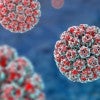
Rice researchers develop realistic ‘mock’ samples to speed cervical cancer test development
A team of Rice bioengineers has developed a new way to create highly realistic “mock” patient samples that could help accelerate the development of faster, more accessible cervical cancer screening tests for low-resource settings.

First-in-human trial demonstrates promise of implantable cytokine factories for ovarian cancer
Rice researchers and collaborators at MD Anderson report results from a first-in-human trial evaluating a novel cell-based therapeutic platform in patients with advanced ovarian cancer.
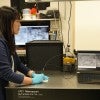
AI-powered handheld microscope aims to spot cancer earlier
Researchers at Rice and The University of Texas MD Anderson Cancer Center have developed a compact, artificial intelligence-powered imaging device that could transform how clinicians detect cancer.
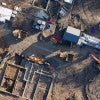
Rice and Baylor College of Medicine have renewed their joint Superfund Research Program with a nearly $15 million, five-year grant from the National Institute of Environmental Health Sciences to advance detection, health research and cleanup technologies for a class of hazardous pollutants known as polycyclic aromatic hydrocarbons.

Rice student ventures sweep top honors at Johns Hopkins Healthcare Design Competition
Multiple Rice-led student ventures earned top honors across categories at the Johns Hopkins Healthcare Design Competition. The founders built these winning businesses through Rice’s Liu Idea Lab for Innovation and Entrepreneurship (Lilie), underscoring the university’s growing leadership in health care innovation.

Rice students bring health care to rural regions through new app
Three Rice students spent their spring break piloting a mobile health platform designed to support community health workers in underserved regions, including Guatemala, Kenya and Colombia.