
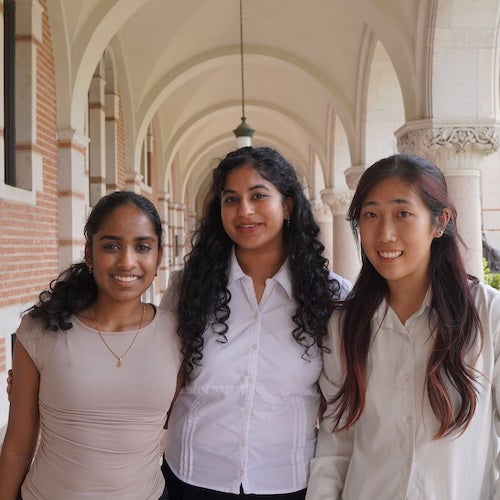
Three Rice University students spent their spring break piloting a mobile health platform designed to support community health workers in underserved regions, including Guatemala, Kenya and Colombia.
The app, called AfyaQuest, provides training, patient management and follow-up tools in a single, accessible platform. It features short video modules, interactive quizzes and a streamlined documentation system designed for low-resource environments — and can function without internet access.
AfyaQuest began as a concept at a student hackathon hosted by Medic Outpost, a Rice club connected with the humanitarian organization of the same name. The club aims to bridge the gaps in health care access with small, adaptable medical units. Since the hackathon, the student team has grown AfyaQuest into a working platform, establishing partnerships with clinics abroad and piloting the app in the field.
“Health workers in these countries may not have proper training for the needs of their community,” said sophomore Medha Pulluru, who is double-majoring in neuroscience and art. “They can live in very isolated environments, which makes it hard for patients to get to a hospital. Health care workers go out to these patients instead. These volunteers are essentially like the EMTs of the rural region. So what we do is we create trainings for these physicians and nurses. We create educational materials with curriculum provided by the partnered clinic.”
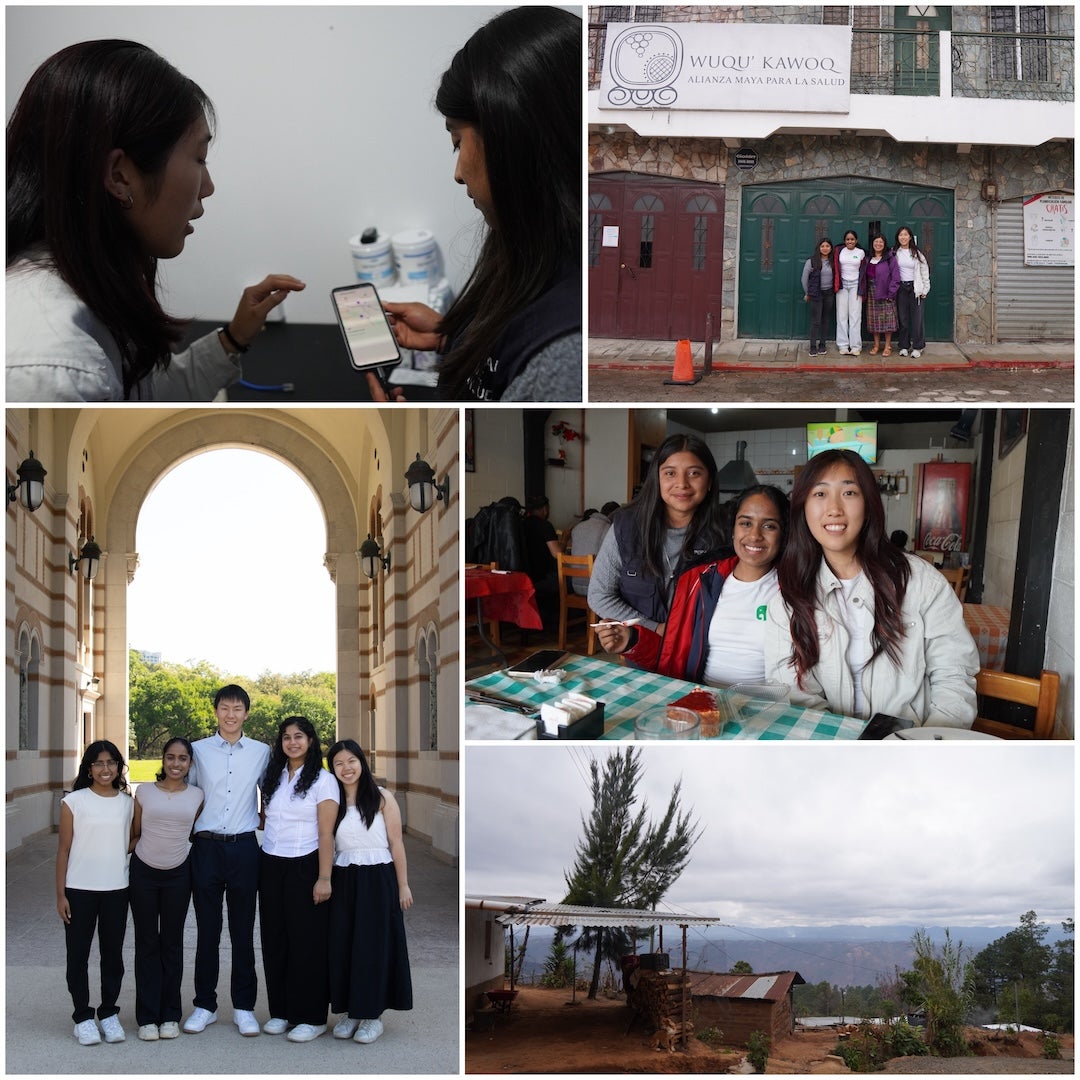
The local community health center can use the app to assign patients and home-visits with the aid of maps and recordkeeping. It was important for the app to provide a documentation system, Pulluru said.
“Documentation is really important in places like Kenya, and through the AfyaQuest app they can speak in their native language, and it will generate a report for them based on what they saw at the site that day, and then the app sends it directly to their clinic,” she said.
“And the fun part is that for the video modules, we have partnered with high school chapters across the U.S.,” said sophomore Sumita Dantu, a biosciences major with a focus on global health technologies. “They have deliverables to create videos based on the content that is assigned to them. They develop scripts and create animated videos that are included in the app.”
When AfyaQuest was in the research stage, the team learned from program directors in Kenya that the typical slide-deck format for lectures was not providing enough training, especially with hands-on components of health care that require frequent practice to maintain.
“With emergency medicine and point-of-care services, it’s very important to retain those skills and refresh your skills a lot,” said sophomore Angella Zhao, a neuroscience major. “Sumita, Medha and I are all certified EMTs, and one thing that we know is important for us, we have to constantly be remembering, ‘What’s the dosage of this? What do we do when we have this type of physiology or these presenting symptoms?’ It’s a lot of information, so it can get forgotten quickly in high-pressure moments. We wanted to address that issue and provide this constant educational material that they can just kind of have in their pocket. A great thing about this app, it functions offline, because a lot of these remote areas don’t have access to internet.”
The on-site visit to Guatemalan clinics was “eye-opening,” Pulluru said. “I’ve always been passionate about community health, even the other startup I’m working on is also related to community health. I think it’s the part of our health care system, outside of the U.S. or in the U.S., that is the most overlooked. We have the least infrastructure for it. Just visiting the houses in Guatemala was really eye-opening in the sense of how little there is and how even a little bit of attention in those areas could really change their health outcomes.”
The neuroscience undergraduate degree at Rice is an interdisciplinary program designed to provide multiple paths for students interested in the brain and how it works as well as prepare them for medical school. It’s a part of the Rice Brain Institute, a cross-disciplinary initiative that unites the expertise of over 65 Rice engineers, neuroscientists and cognitive scientists with experts in policy and ethics to thoroughly understand brain function to improve treatments for the most pressing diseases of the central nervous and related systems. Learn more about Rice’s work with health care. More information about AfyaQuest can be found at afyaquest.com.