
Faculty set Rice record with eight CAREER Awards
Rice faculty set a record, winning eight NSF CAREER Awards in 2002
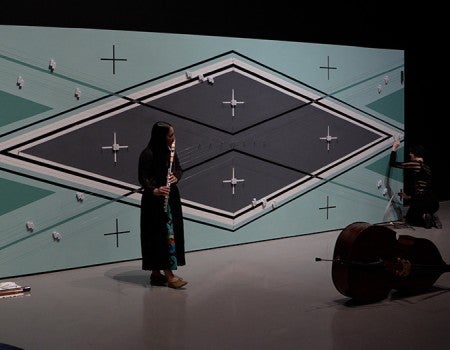
Nameless Sound musicians performed an original score on Nanibah Chacon’s interactive installation following Danza Azteca Macuilxochitl's activation of...

Rice’s James Tour recently published an improved method to recover antimony from this electronic waste stream. ...
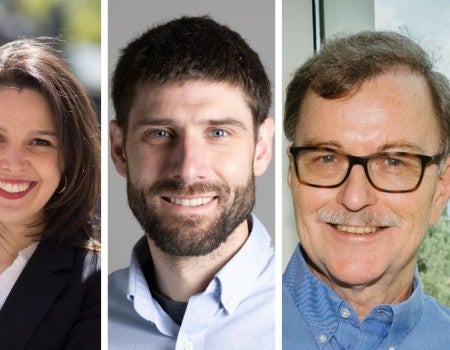
Three Rice faculty members from the Department of Earth, Environmental and Planetary Sciences have recently been honored with career awards, showcasin...
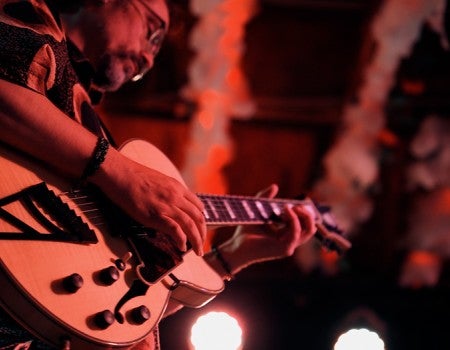
The Adventurous Electric Guitar Festival gathered players, composers and scholars to test the instrument’s next act....
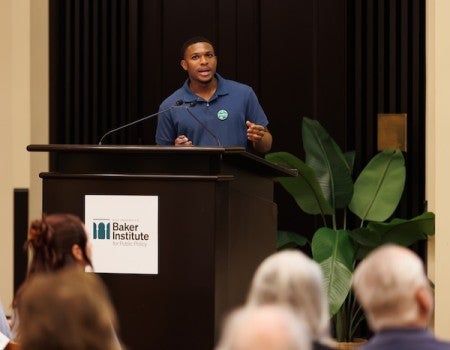
The Science and Technology Policy Program at Rice’s Baker Institute for Public Policy hosted a “science cafe” Oct. 13 to bring research to reality and...
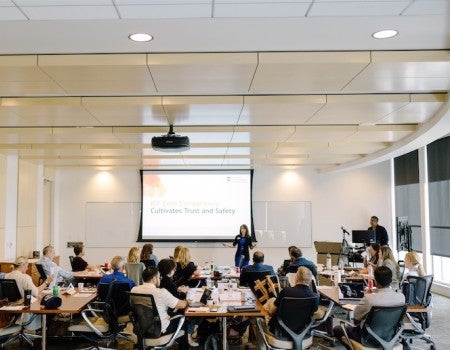
The Doerr Institute for New Leaders at Rice has launched CoachRICE: Team Coaching, a new professional education program designed to help coaches, mana...
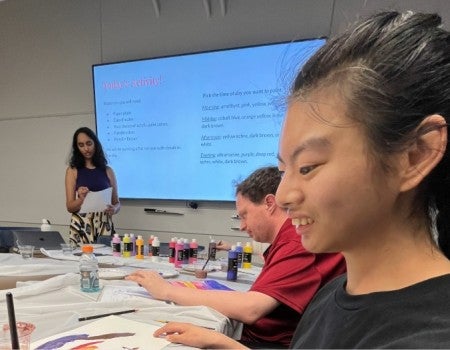
Graduate student Sayuri Jayawardena has started a Rice chapter of Lifelong Learning with Friends. ...
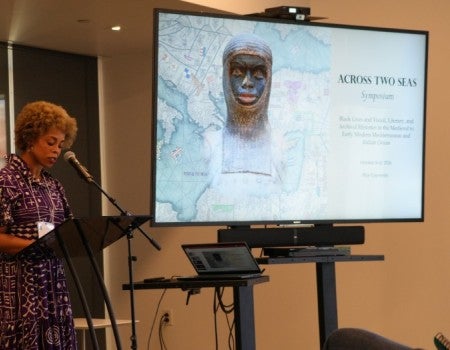
Scholars, curators and filmmaker Daphne Di Cinto gather at Rice to explore Black histories from Renaissance Italy to medieval Africa and Islamic world...
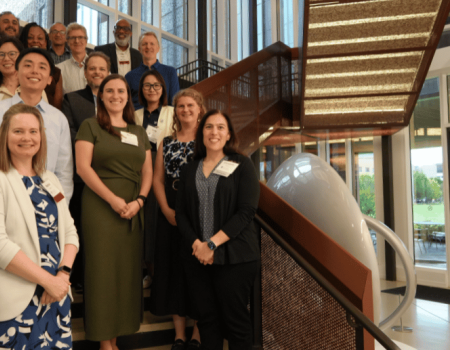
For the sixth fall in a row, Rice welcomed a new group of researchers to STaRT@Rice, giving emerging researchers both the skills and the support to gr...
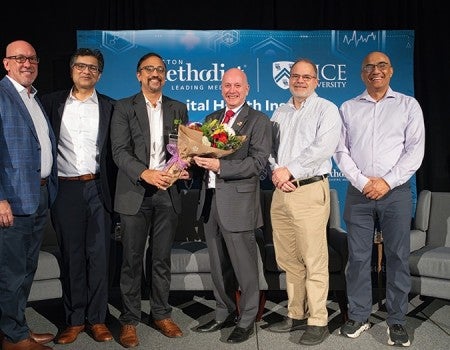
Rice and the Houston Methodist Research Institute have signed a memorandum of understanding with LSE Health at the London School of Economics and Poli...
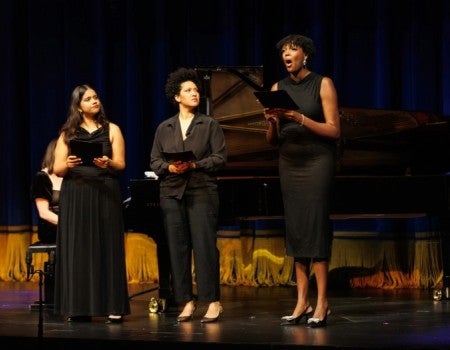
As the 2026-27 Aleko Endowed Artist, Julia Bullock curated an evening of song, chamber music and poetry celebrating the Harlem Renaissance....
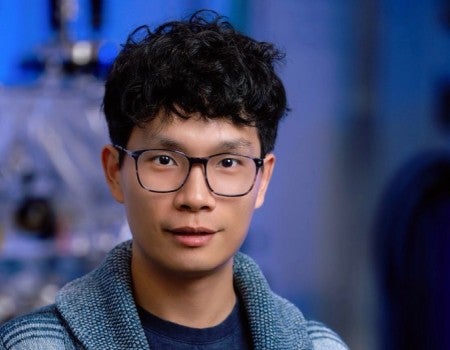
Rice’s Yonglong Xie is one of 20 early-career scientists, mathematicians and engineers to receive a 2026 Packard Fellowship. ...
Faculty set Rice record with eight CAREER Awards
Rice faculty set a record, winning eight NSF CAREER Awards in 2002
Vicky Yao wins CAREER Award
Computer scientist Vicky Yao has won an NSF CAREER Award to develop computational tools to analyze and interpret DNA methylation.

The Moody celebrates 5 years of creative exploration through the arts at Rice
Birthday bash will feature Sir Woman, spotlight spring “Soundwaves” exhibition
Campos considers habitability and the human
The historian of science challenged understandings of and assumptions about “new worlds” Feb. 24

Rice garden hosting semiannual plant sale
Tomatoes, peppers, eggplants and tomatillos will be among the vegetables for sale beginning March 7
Texas Life Science Forum honors top life science innovation companies
Life science investors, leaders and innovators gathered at Rice University’s Jones Graduate School of Business to discuss Houston’s role in the future of health care, medical technology innovation and life science commercialization during the 10th annual Texas Life Science Forum.

BSA celebrates Black excellence
The annual Soul Night celebration returned to the Rice Memorial Center for an evening of festivities Feb. 26.

Leebron shares message of support for Ukrainians
Rice President David Leebron tweeted a personal message of support for Ukrainians around the world over the weekend in response to the invasion of their home country by Russian forces.


Atheists in the United States are more likely to conceal their beliefs if they’re women, Republicans, Southerners or if they’ve previously been religious, according to new research from Rice University and West Virginia University.