


Corals may need their predators' poop
Fish that dine on corals may pay it forward with poop. Rice University marine biologists found high concentrations of living symbiotic algae in the feces of coral predators on reefs in Mo'orea, French Polynesia.
Rice Athletics celebrated longtime supporters and champions of its student-athletes Sept. 30 at the 21st An Evening for Rice’s Honour gala at River Oa...

Rice parents, siblings, grandparents and other family members joined their Owls for meals, performances, conversations, campus activities and athletic...

Houston’s population boom masks other trends that have been unfolding for more than two decades: Women here are having fewer children and having them ...

Rice and First Community Credit Union have signed a 20-year football stadium naming rights and campus collaboration agreement as announced Thursday by...
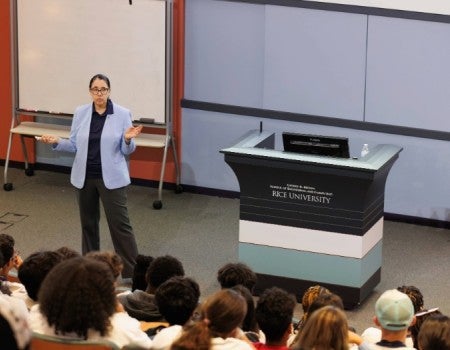
Rice’s George R. Brown School of Engineering and Computing has named Karen Lozano as the director of the Tapia Center for Empowerment through STEM Edu...
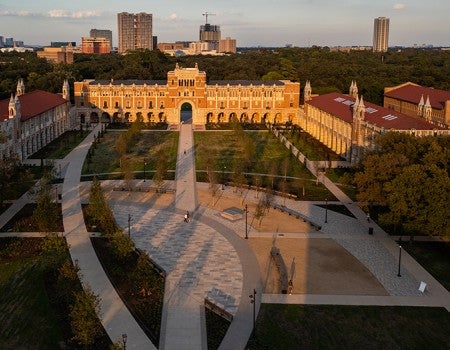
Rice continues its upward momentum in global higher education, rising two spots to No. 101 worldwide in the 2027 Times Higher Education World Universi...
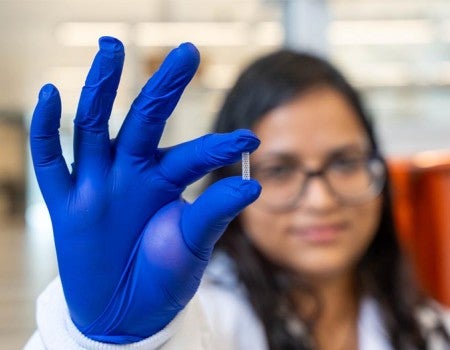
Researchers at Rice, with the support of the Rice Biotech Launch Pad, have developed an implantable “living pharmacy” using engineered protein produce...
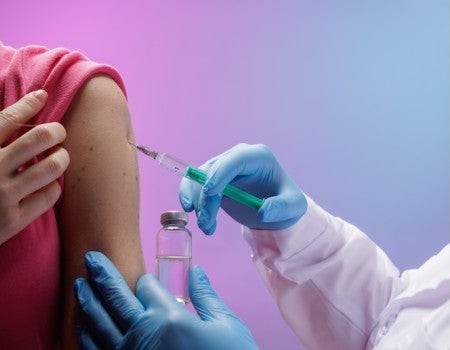
New research explores how perceptions of immunity can shape vaccine decisions and how personalized feedback may help people better understand their pr...
Corals may need their predators' poop
Fish that dine on corals may pay it forward with poop. Rice University marine biologists found high concentrations of living symbiotic algae in the feces of coral predators on reefs in Mo'orea, French Polynesia.

Orchestra resumes performing at Shepherd School amid pandemic
If you walk through the Shepherd School of Music's Alice Pratt Brown Hall, you'll notice some familiar sounds coming from Stude Concert Hall – sounds that haven't been heard for the better part of a year.
NEST360° probes pandemic dangers for newborns
Research facilitated by Rice University-based NEST360° is underscoring the need for COVID-19 treatment guidelines to safeguard newborn lives in some countries.

The questions of our time: Humanities courses encourage closer examination of daily life
Rice's Big Questions courses speak to issues that are fundamental to our experience.

A new look at ‘The Red Book,' a 1915 artifact of Black life in Houston
A midwife named Annie Hagen “came to Houston with 50 cents and through her industry and thrift … accumulated a nice bit of property” around the turn of the 20th century.

Graduate Student Association hosts COVID-conscious ‘Culture Night’ on campus
The Korean Graduate Student Association was giving out seaweed-wrapped kimbap and shots of a sweet yogurt drink from picnic tables outside Brockman Hall.

Unique topics, returning favorites and leading faculty: Humanities’ summer course offerings heat up
From environmental studies and medical humanities courses to a survey of "Star Wars," there's something for everyone this summer.

Pandemic’s end now in sight, experts say
On the day after President Biden announced that every American will be eligible for a COVID-19 vaccine by May 1, two top Rice University scientists focused on the pandemic voiced both optimism and grave concern.

US must prepare for long-term economic fallout from pandemic, says Baker Institute expert
The U.S. economy appears to be improving, but the pandemic will have a lasting macroeconomic impact, according to an expert from Rice's Baker Institute for Public Policy.

Rice Stadium to become community vaccination site
The facility has already begun vaccinating some Rice students, faculty and staff — by appointment only — as part of a “soft launch” before ramping up full operations next week.