
Nanotubes assemble! Rice introduces ‘Teslaphoresis’
Scientists at Rice University have discovered that the strong force field emitted by a Tesla coil causes carbon nanotubes to self-assemble into long wires, a phenomenon they call “Teslaphoresis.”
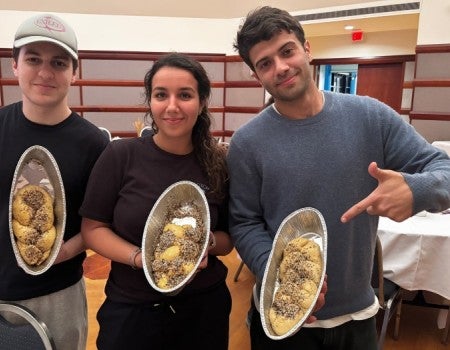
Warmth and laughter filled Farnsworth Pavilion as Chabad at Rice welcomed students for the fourth annual Mega Challah Bake. The night featured spirite...
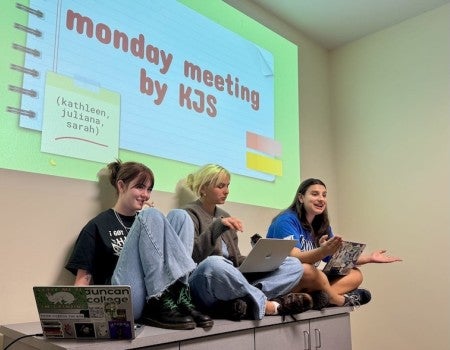
The Rice Thresher has earned one of college journalism’s highest honors, winning its first Newspaper Pacemaker Award from the Associated Collegiate Pr...

Rice graduates appear on four of the five nominated opera recordings, plus nods in vocal, production and arrangement categories....

Effective leadership requires more than expertise in a particular field. Leaders must build trust, influence others, navigate organizational dynamics,...

Rice’s Rick Mello and Brian Lindoerfer offer an update on the future of Beer Bike....
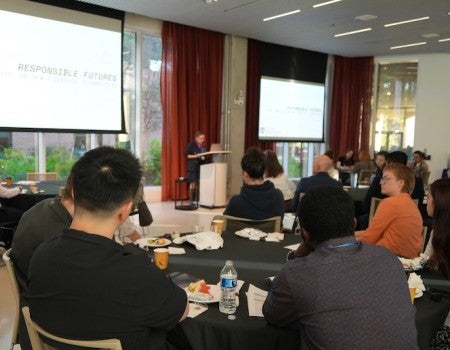
As technology takes on increasingly human tasks, researchers at Rice are asking a bigger question: Just because we can use AI to do something, should ...

Researchers at Rice’s Kinder Institute for Urban Research examined more than 320,000 eviction cases filed in Harris County over five years, uncovering...
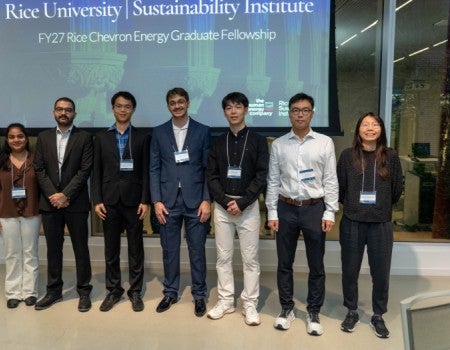
Rice’s Sustainability Institute recently hosted its third annual Chevron Energy Graduate Fellowship Reception in recognition of the 10 recipients of t...
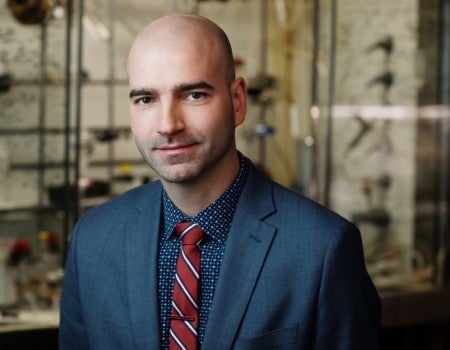
Rice’s David Sarlah, a professor of chemistry, has recently been awarded the Mukaiyama Award in recognition of his contributions in the field of synth...

More than 2,000 alumni and friends returned to Rice Nov. 12-15 for Alumni Weekend, reconnecting with classmates, exploring the university's latest ach...
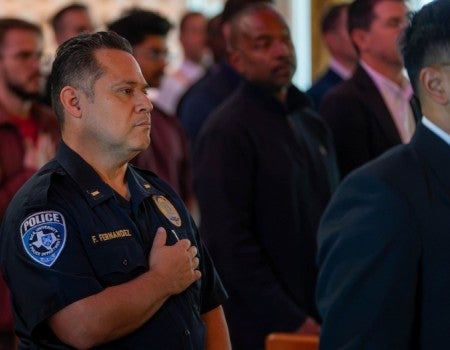
Rice celebrated Veterans Day with a ceremony honoring the people who have served in the United States armed forces and recognizing the lasting contrib...
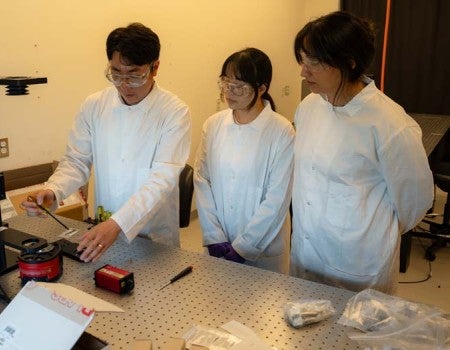
Researchers at Rice and Harvard Medical School have developed one of the world’s smallest lasers, measuring just 115 nanometers long, to help scientis...
Nanotubes assemble! Rice introduces ‘Teslaphoresis’
Scientists at Rice University have discovered that the strong force field emitted by a Tesla coil causes carbon nanotubes to self-assemble into long wires, a phenomenon they call “Teslaphoresis.”
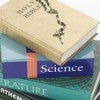
First worldwide survey of religion and science: No, not all scientists are atheists
Scientists at Rice University have discovered that the strong force field emitted by a Tesla coil causes carbon nanotubes to self-assemble into long wires, a phenomenon they call “Teslaphoresis.”

JFK’s 1962 moon speech still appeals 50 years later
Few moments in Rice’s history are as well known or oft remarked upon as the 1962 speech in which President John F. Kennedy boldly declared, “We choose to go to the moon!”

The story behind Rice traditions
Every university has its traditions, and Rice University is no exception. O-Week, Beer Bike and Willy Week top the list of Rice’s most well-known traditions, but in the university’s nearly 100-year history, it’s only natural for a few others to have developed along the way.
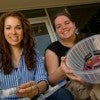
Revolution with a salad spinner
A simple salad spinner will save lives this summer, if everything goes as planned by two Rice University undergraduates.
Rice study suggests people are more trusting of attractive strangers
Beware of strangers. Don’t judge a book by its cover. We repeat these timeworn adages without even thinking, but new research suggests we live by neither of them.
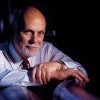
Nanotech pioneer, Nobel laureate Richard Smalley dead at 62
Nobel laureate Richard Smalley, co-discoverer of the buckyball, died from cancer in Houston. He was 62.