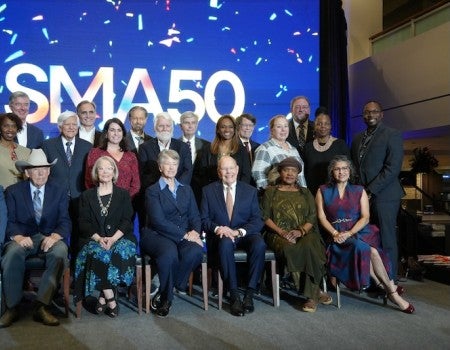
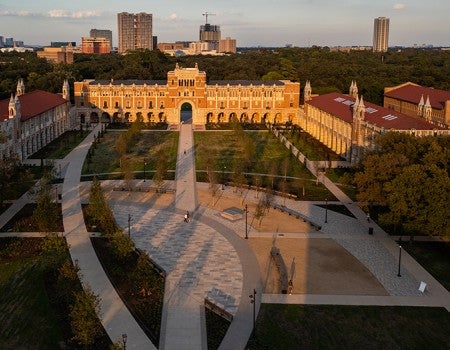
The South Main Alliance marks its 50th anniversary with the premiere of “Houston’s HEART: The Story of South Main Alliance,” a documentary highlightin...
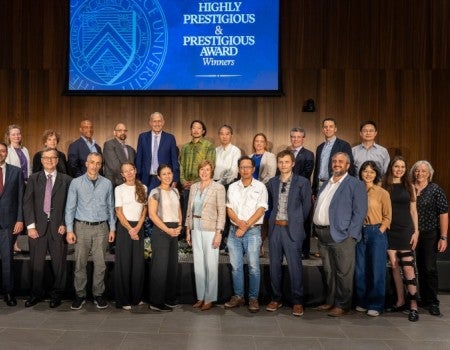
Rice's winners of highly prestigious and prestigious awards were recognized Oct. 21 to celebrate Rice faculty who have earned these accolades, demarca...
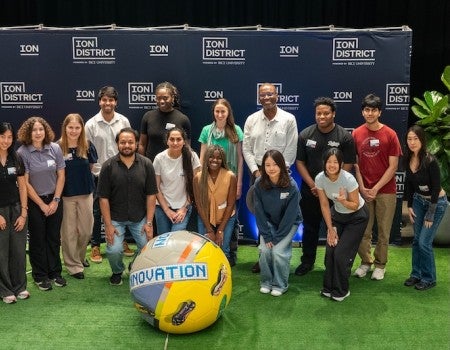
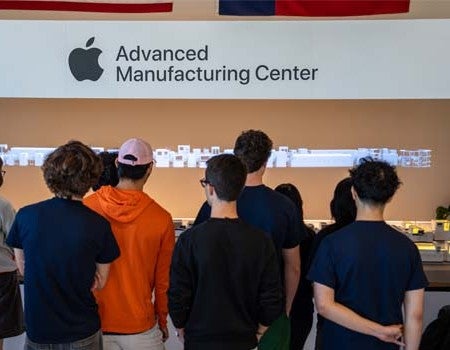
Rice University materials science and nanoengineering students gained hands-on experience in AI server production and surface-mount technology during ...
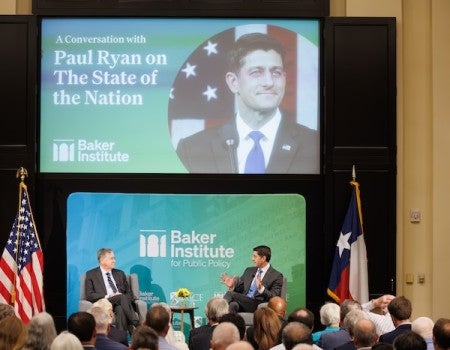
With the 2026 midterm elections approaching, former U.S. House Speaker Paul Ryan joined Rice's Baker Institute for Public Policy for a conversation ab...
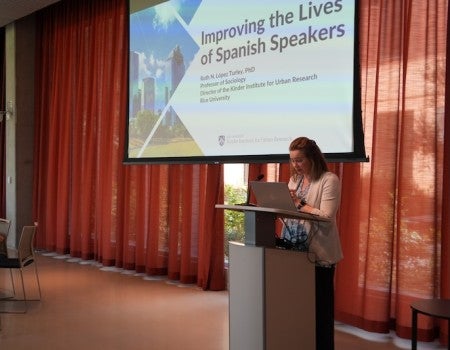
Rice’s Texas-Latin America Social Science Forum on Language and Opportunity brought together scholars from sociology, economics and political science ...
With a May 11, 2027 national deadline for digital accessibility compliance approaching, Rice is accelerating efforts to make its digital environment m...
Rice University’s Ken Kennedy Institute will celebrate its 40th anniversary Nov. 9 with a public event on responsible AI leadership. The daylong progr...
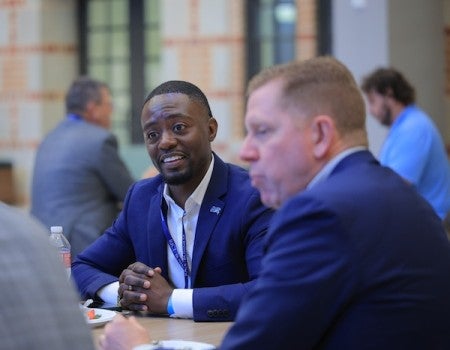
The annual Texas ETA Conference, organized by Rice MBA students and hosted by Rice Business, brought together aspiring entrepreneurs, investors, busin...
Pranai Reddy, a senior studying business management, biochemistry and entrepreneurship, has spent his time at Rice University figuring out how to improve the usability in prosthetic hands and how to give students a hands-on learning experience in venture capital.
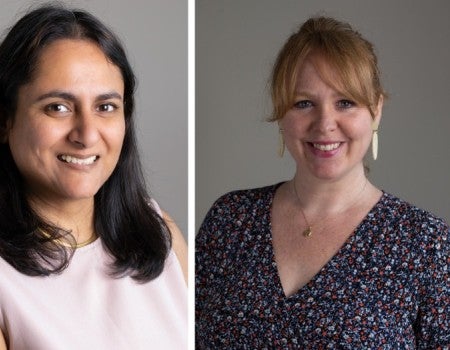
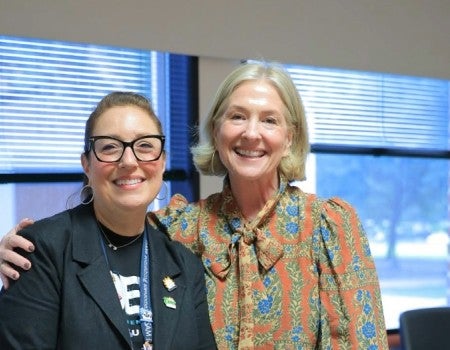
Houston Woman Magazine recently recognized numerous women representing business, philanthropy and academia as part of its annual Houston’s 50 Most Influential Women, and Rice is home to two of those remarkable women.
Rice has announced the launch of the Rice AI Venture Accelerator, designed to drive early stage artificial intelligence innovation and commercialization.
The Rice men’s and women’s track and field teams had stellar showings at the 42nd annual Victor Lopez Classic last weekend at Wendel D. Ley Track and Holloway Field.
To celebrate Rice's azaleas’ eye-catching beauty in full bloom, the university’s Office of Public Affairs hosted Rice Blue in Bloom March 26 outside Cohen House.
Bioelectronic devices, neural interfaces, biosensors and AI hardware are now easier to make thanks to a streamlined method for fabricating a key material.