
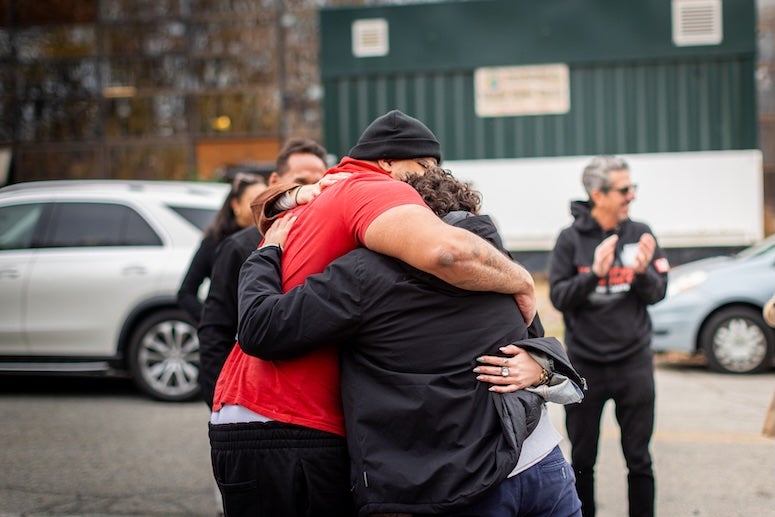
Undergraduates at Rice University are digging into real, possible wrongful conviction cases this semester, examining evidence, interviewing sources and producing documentary advocacy projects designed to bring renewed attention to individuals who maintain they were wrongfully convicted.
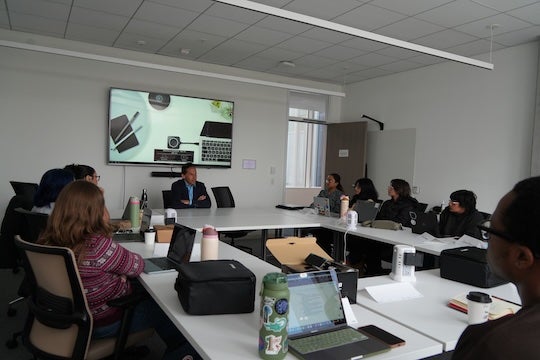
The work is part of a new experiential program called Making an Exoneree, which allows students to apply investigative research, ethics and storytelling in service of justice.
The class is taught by sociologist Kavya Padmanabhan, whose research focuses on the criminal legal system and its impact on marginalized communities.
“It wasn’t something I had to think twice about,” Padmanabhan said. “The impact on people’s lives is immediate and real. This class creates a bridge between what we study and the people directly affected by it.”
A program rooted in lived experience
Making an Exoneree was co-developed at Georgetown University by professor and attorney Marc Howard and criminal defense attorney Marty Tankleff following Tankleff’s exoneration.
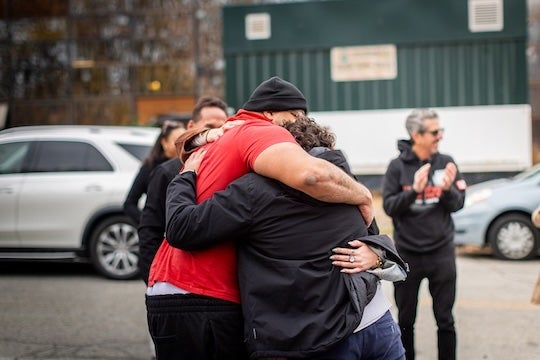
When Tankleff was 17, he was convicted of murdering his parents in New York and sentenced to 50 years to life in prison. Howard, a childhood friend who believed in his innocence, later pursued a law degree alongside his academic career in order to help secure Tankleff’s release. After nearly 18 years behind bars, Tankleff had his conviction overturned. He went on to earn his own law degree, and together the two co-developed the undergraduate program.
“When someone is wrongfully convicted, correcting that mistake can be extraordinarily difficult,” Howard said. “We wanted to build a model where students could help bring fresh attention to claims of innocence and contribute to meaningful change.”
The initiative has since expanded beyond Georgetown to five universities nationwide through a franchise model that provides faculty guidance and case support. Student investigations have contributed to roughly a dozen individuals gaining their freedom, whether through exoneration or release.
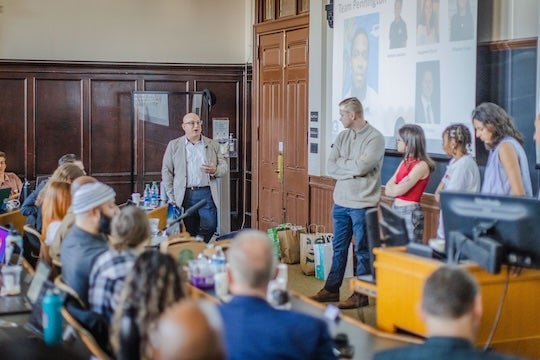
At Rice, 12 students were selected for the inaugural cohort. This semester, they are working on four cases, including one in Texas and others in Oklahoma and Alabama, reviewing evidence, interviewing sources and consulting with legal professionals.
Rice freshman Ariana Gauba, who is working on the Jacob Cobb case, said the experience has reshaped how she understands the justice system.
“We’re not just learning about the justice system,” Gauba said. “We’re contributing to something that could truly impact a life.”
The structure of the program reflects the realities of advocacy work. Guest speakers join throughout the semester, and students receive guidance in documentary filmmaking as well as trauma-informed interviewing practices.
“These cases are rarely simple,” Padmanabhan said. “They require rigor, empathy and careful inquiry. That’s what makes the experience transformative.”
“We strive to engage our students in real-world experiences that connect what they are learning to tangible, societal challenges,” said Rachel Kimbro, dean of the School of Social Sciences. “Making an Exoneree is an excellent model that tasks students with a human and justice-centered objective and makes a meaningful impact on the world.”
Beyond Rice’s campus, Howard sees the initiative as part of a growing national movement.
“We’ve seen what happens when undergraduates are given the opportunity to engage in real cases,” Howard said. “It’s a powerful model — one that has already helped achieve meaningful justice. We hope to see many more people walk into freedom in the years ahead.”
“I hope our students leave this class understanding that justice requires courage, care and persistence,” Padmanabhan said. “Whether they become attorneys, policymakers or storytellers, I want them to carry that awareness with them.”
For media inquiries or to schedule interviews with faculty and program founders, contact Kat Cosley Trigg at Kat.Cosley.Trigg@rice.edu or 713-348-6781.