The decision of where to send a child for their K-12 education is a big one. According to new research from Rice University sociologists, approximately one-third of parents in their Dallas-based study make the call based on their own experiences in the classroom.
How much individuals express their religious beliefs in the workplace depends on how much power they hold there, according to new research from the Boniuk Institute for the Study and Advancement of Religious Tolerance’s Religion and Public Life Program at Rice University.
Whether they’re personally struck by or spared from natural disasters, people are more likely to distrust the government when their family and friends are victims, according to new research from Rice University.
Fear of hate crime looms especially large in the minds of Jews and Muslims, even if they have never been personally targeted, according to a new study from Rice University and West Virginia University.
President Biden has appointed Ruth López Turley, director of Rice University’s Kinder Institute for Urban Research and professor of sociology, to the National Board for Education Sciences.
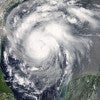
As Houston prepares to mark the fifth anniversary of Hurricane Harvey, the second-costliest hurricane to ever hit the United States, Rice sociologist Anna Rhodes is available to discuss her new book examining the storm’s impact on the middle class.
New research from sociologists at Rice University and West Virginia University finds that almost 20% of Muslims report having been harassed by the police specifically because of their religion, more than four times the rate reported by people of other faiths.
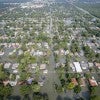
The devastation of Hurricane Harvey, the second-costliest hurricane to ever hit the United States, wasn’t limited just to the most vulnerable residents in its path — it was also felt intensely by the middle class. Those struggles are the focus of a new book by sociologists from Rice University and the University of Wisconsin.
Even if they’ve never served time in prison, people who have felony convictions still have difficulty accessing stable housing, according to new research from a Rice University sociologist.
Racial apathy and the belief that Black people no longer experience prejudice in today’s world represent the “new racism,” according to Tony Brown, professor of sociology at Rice University and lead author of the study, “Changes in Racial Apathy Among White Young Adults: A Five-Year National Panel Study,” published in the journal Sociological Inquiry.
Increased flooding in the U.S. is exposing more people to industrial pollution, especially in racially marginalized urban communities, according to new research from Rice University, New York University and Brown University.