

Emu stands tall at detecting bacteria species
Rice computer scientists develop Emu, which uses long reads of genomes to identify bacteria in a community.
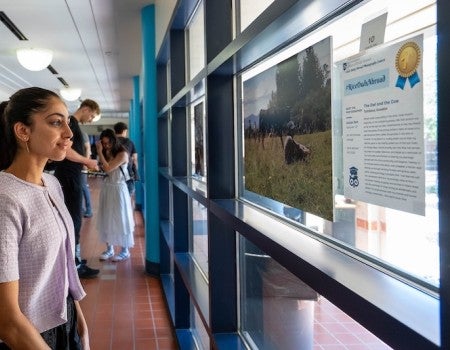
The global journeys of Rice University students were on display March 27 as the Office of Study Abroad hosted the 2026 Study Abroad Photo Contest Exhi...
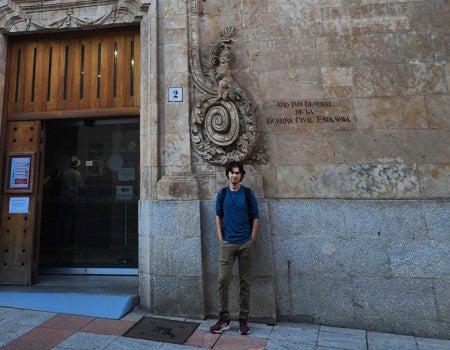
“I feel really grateful for the opportunities that I’ve had now that I am here," said senior Michael Garcia....
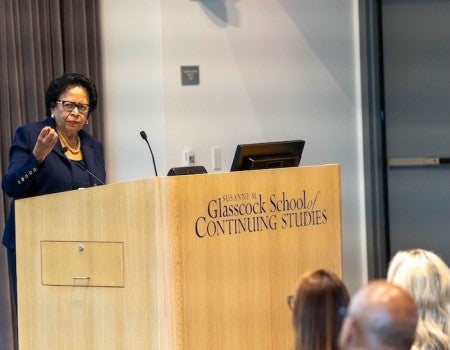
The Center for Philanthropy and Nonprofit Leadership at Rice’s Susanne M. Glasscock School of Continuing Studies welcomed nonprofit leaders from acros...

The Olivier Award-nominated play traces the rise and fall of the Houston-based energy trading giant, translating complex financial systems into a fast...

New consumable hemp rules from the Texas Department of State Health Services are officially in effect, and the biggest change comes down to how THC is...
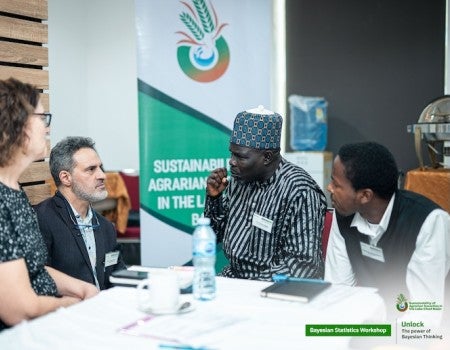
For more than a decade, Rice’s Frederi Viens has been studying Lake Chad, a vast freshwater lake in west-central Africa that borders Nigeria, Niger, C...

The Center for Energy Studies at Rice’s Baker Institute for Public Policy and the University of Houston Energy Transition Institute are launching a st...

A delegation of researchers from Rice’s WaTER Institute traveled to Argentina’s Neuquén province this month to help address a pressing question facing...
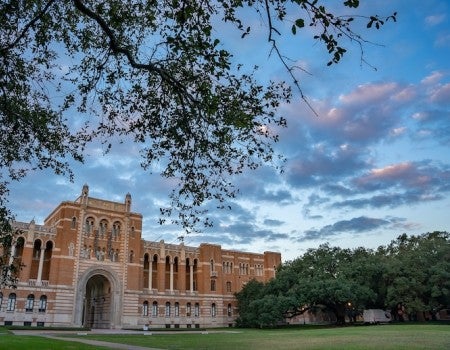
Rice’s open enrollment period for employee benefit plans will run from April 3-17. To give employees a way to better explore their benefits options, t...
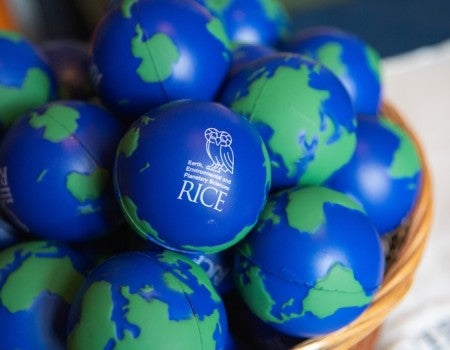
Rice's Office of Sustainability invites the campus community to join the third annual Earth Month Kick-Off Festival from 12:30-3:30 p.m. April 1 at th...

Rice continues to strengthen its position as a leader in innovation, rising to No. 66 in the 2025 Top 100 U.S. Universities List for utility patents, ...
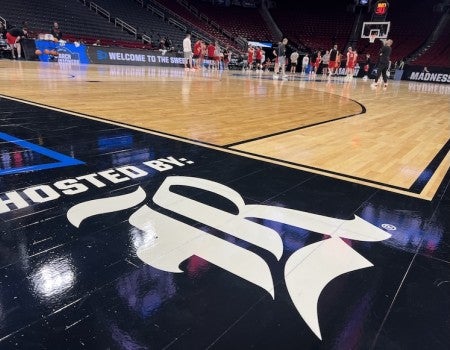
Rice once again found itself at the center of the college basketball world, serving as the official host institution for the NCAA Men’s Basketball Sou...
Emu stands tall at detecting bacteria species
Rice computer scientists develop Emu, which uses long reads of genomes to identify bacteria in a community.

Flooding exacerbates pollution exposure in at-risk urban communities
Increased flooding in the U.S. is exposing more people to industrial pollution, especially in racially marginalized urban communities, according to new research from Rice University, New York University and Brown University.

Landmark new engineering and science building on campus to bear Ralph S. O’Connor’s name
A self-made businessman who started out working in oilfields and ended up building an empire in energy and real estate investments will be memorialized at Rice University with a landmark new science and engineering building named in his honor.

Blockchain tech can help small businesses launch and grow, says Baker Institute expert
Blockchain technology can give small businesses and entrepreneurs new avenues for funding their ventures and create opportunities for growth, according to a report from Rice University’s Baker Institute for Public Policy.

Rice community hits the streets for LGBTQ Pride celebrations
Dozens of members of the Rice community hit the streets of downtown Houston June 25 to walk in the city’s 44th annual LGBTQ Pride parade. This year’s parade and festival marked the first in-person iteration of the yearly event held in two years due to COVID-19.

DOE backs Rice physicists’ collaboration
Rice nuclear physicists win a Department of Energy grant to research the fundamental properties of matter in extreme conditions.

Baker Institute hosts gun safety symposium
The Baker Institute for Public Policy hosted a gun safety symposium June 21 featuring health care and policy experts as well as elected officials.

An Owl’s-eye view of the Higgs boson at 10
Anniversary finds Rice physicists pushing forward as Large Hadron Collider reboots

US needs more foreign workers to solve labor crisis, says Baker Institute expert
Allowing more legal immigration and creating a workable solution for the millions of people living in the United States illegally is the only way to effectively address the nation’s worsening labor shortage, according to a report from Rice University’s Baker Institute for Public Policy.

Embryo and embryoid research state regulations are morally inconsistent, say Baker Institute experts
State policies on human embryo and embryoid research are morally inconsistent, according to a paper by Kirstin Matthews and Daniel Moralí published in the Journal of Law and the Biosciences, which reviewed all applicable federal and state laws.