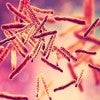
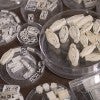
Tuberculosis bacteria have evolved to remember stressful encounters and react quickly to future stress, according to a study by computational bioengineers at Rice University and infectious disease experts at Rutgers New Jersey Medical School.
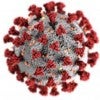
Rice's Ken Kennedy Institute is collaborating with the University of Texas MD Anderson Cancer Center on data science research into long-term outcomes and improved treatment methods for COVID-19.
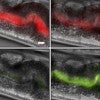
Researchers from Rice University and Baylor College of Medicine have shown that colored light can both activate and deactivate genes of gut bacteria in the intestines of worms. The research shows how optogenetic technology can be used to investigate the health impacts of gut bacteria.
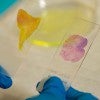
Researchers from Rice University and MD Anderson Cancer Center have created a microscope that uses artificial intelligence to quickly and inexpensively image large tissue sections at high resolution with minimal preparation. If clinically validated, the DeepDOF microscope could allow surgeons to inspect tumor margins within minutes.
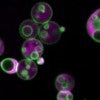
Rice University biochemists have discovered membrane-divided subcompartments within organelles called peroxisomes, essential pieces of metabolic machinery for all higher order life from yeast to humans. The research appears this week in Nature Communications.
Researchers from Baylor College of Medicine and Rice University have developed artificial intelligence models that help them better understand the brain computations that underlie thoughts.
Rice University biochemists have proposed that degenerative diseases as varied as Alzheimer's, Parkinson's and muscle atrophy occur in two distinct phases marked by protein signaling changes that could result in patients responding differently to the same treatment.
Keeping musicians safe while they're on stage during the pandemic may require more than just social distancing, according to a study of exhaled aerosols conducted by Rice University engineers and musicians from Rice's Shepherd School of Music and the Houston Symphony.
Bioengineers at Rice and the University of Washington are devising a hot new technology to remotely control the positioning and timing of cell functions to build 3D artificial, living tissues.
Rice computer scientists are collaborating with molecular diagnostics company Great Basin Scientific to streamline the development of COVID-19 testing.
Bioengineers and surgeons from Rice University and Baylor College of Medicine have shown in rodents that a four-week shielded stem cell treatment can reduce damage caused by a heart attack.