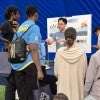
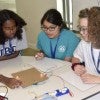
Nearly 70 high school students from across the Houston area spent a weekend morning moving through different research labs at Rice University in order to get a firsthand view of what pursuing a professional path in science and engineering could entail.
Even for the nation’s highest achieving students, the transition from high school to college can be an intimidating experience. That’s where RISE (Responsibility, Inclusion and Student Empowerment program) comes in.
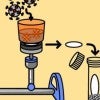
Pressure from excess cerebrospinal fluid on the brain is often relieved by surgically installing a shunt that carries the fluid to a reservoir. But when pressure in the reservoir itself is too high, the shunt needs a little help.
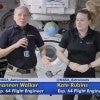
Rice alumna Shannon Walker and crewmate Kate Rubins, aboard the International Space Station, joined a conversation with students in Houston, Scotland and Ecuador.
There are many ways to test municipal wastewater for signs of the virus that causes COVID-19, but scientists in Houston have determined theirs is the best yet.
HOUSTON – (March 5, 2021) – Even a small effort up front can boost the abilities and confidence of girls as they anticipate taking challenging science courses.
Staying put during the pandemic is hard enough without additional stressors. But for some in Houston, COVID-19 exacerbated situations that already presented challenges.
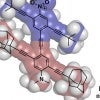
Rice researchers continue to advance the science of single-molecule machines with a new lineup of nanocars, in anticipation of the next international Nanocar Race in 2022.
OpenStax, Rice’s educational technology initiative, is vastly expanding its library of free textbooks, working toward a goal of ensuring that no student ever has to worry about textbook costs again. This work is possible as a result of new grants totaling $12.5 million from the Bill & Melinda Gates Foundation, the William and Flora Hewlett Foundation, the Charles Koch Foundation and the Stand Together community.