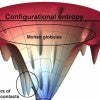
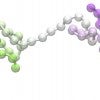
Atom-scale models of proteins that incorporate ligands, like drug molecules, show a strong correlation between minimally frustrated binding sites and drug specificity. Such models could lead to better-designed drugs with fewer side effects.
Rice University biochemists have proposed that degenerative diseases as varied as Alzheimer's, Parkinson's and muscle atrophy occur in two distinct phases marked by protein signaling changes that could result in patients responding differently to the same treatment.
Scientists at Rice’s Center for Theoretical Biological Physics detail the structure of dumbbell-like sequences in DNA during interphase that suggest several unseen aspects of chromosome configuration and function.
National parks are safe havens for endangered and threatened species, but an analysis by Rice University data scientists finds parks and protected areas can preserve more than species.
Rice faculty members Scott Solomon and Kirsten Sieback appear in the first episode of "Life 2.0," a new television series that's available for streaming and slated to debut on the air this weekend.
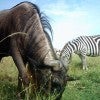
Meals are typically family affairs for zebras, gazelles, cape buffalo and other grazing species in the African Serengeti, but in one of the first studies of its kind, ecologists have found grazing species can be more willing to share meals in areas frequented by lions.
A multi-institutional team led by Rice University has received a $1.4 million grant from the National Science Foundation (NSF) for a collaborative project studying persistence and retention of science, technology, engineering and mathematics (STEM) teachers across the nation.
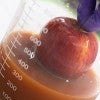
Eggs that would otherwise be wasted can be used as the base of an inexpensive coating to protect fruits and vegetables, according to Rice University researchers.
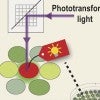
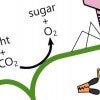
Rice scientists are analyzing the role of ferredoxin proteins produced when viral phages alter electron transfer in ocean-dwelling bacteria that produce oxygen and store carbon.
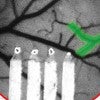
Work by a Rice neurobiologist shows that increased blood flow to the brain is not an accurate indicator of neuronal recovery after a microscopic stroke.
A Rice University researcher has won a prestigious federal grant to study how a recently identified protein in the cornea aids development, homeostasis and wound healing in the eye.