

UH, UHD, Rice students reimagine Houston through art, design and data
UH, UHD, Rice students reimagine Houston's future through art, design and data.
UH, UHD, Rice students reimagine Houston through art, design and data
UH, UHD, Rice students reimagine Houston's future through art, design and data.
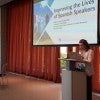
Beyond words: Rice scholars explore how language shapes opportunity
Rice’s Texas-Latin America Social Science Forum on Language and Opportunity brought together scholars from sociology, economics and political science to explore how language influences opportunities for Latino communities, particularly in Texas, and how research can help identify and address barriers.

Houston’s Asian population surges, but political representation lags, Rice study finds
As early voting begins, new Rice research sheds light on why some members of one of Houston’s fastest-growing populations say they remain underrepresented in local politics.

STaRT@Rice brings research training, connections and new ideas together
For the sixth fall in a row, Rice welcomed a new group of researchers to STaRT@Rice, giving emerging researchers both the skills and the support to grow as scholars.

Rice psychologist takes resilience research beyond classroom
Rice psychological science professor Danielle King Jordan that brings years of research on workplace resilience out of academic journals and the traditional classroom and makes it available to anyone.

2 Rice students named Obama-Chesky Voyager Scholars
Rice juniors selected for the 2026-28 Obama-Chesky Voyager Scholarship for Public Service.

“The Future of Faiths,” the theme of this fall’s Religious and Civic Leader Gatherings, hosted by Boniuk Institute's Religion and Public Life Center, is a series that connects Houston-area leaders with researchers and practitioners whose work can help them understand changes affecting the communities they serve.

Houston is booming, even as fertility rates fall
Houston’s population boom masks other trends that have been unfolding for more than two decades: Women here are having fewer children and having them later.

Rice remembers economist, teacher and mentor Dagobert Brito
Longtime Rice economics professor, whose connection to the university spanned decades as a student, scholar and teacher, remembered.

Think you’re protected? New research shows how perceptions of immunity shape vaccine decisions
New research explores how perceptions of immunity can shape vaccine decisions and how personalized feedback may help people better understand their protection.

Pioneering legal scholar reflects on identity, inequality and the ideas that shaped her work
Influential legal scholar, Kimberlé Crenshaw, speaks to a packed Rice audience for a conversation about race, gender, law, education and the experiences behind her new memoir.

New faculty take spotlight at Social Sciences Research Relays
New Rice faculty members featured in the School of Social Sciences’ latest Research Relay.
Rice’s Center for Community and Public Health (CCPH) at the Kinder Institute will premiere a new series of accessible grief educational resources for adults with intellectual and developmental disabilities

From fan to storyteller: Rice senior returns to Japan to capture baseball on world stage
Rice senior from Tokyo, returns home for the World Baseball Classic this spring - a professional milestone and a homecoming.
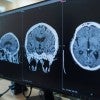
Can creating music strengthen the aging brain? Rice researchers aim to find out
New $3.9 million grant will examine whether actively creating music can improve cognition and mental health-related quality of life in adults 65 and older with mild cognitive impairment, a condition associated with an increased risk of developing dementia.