
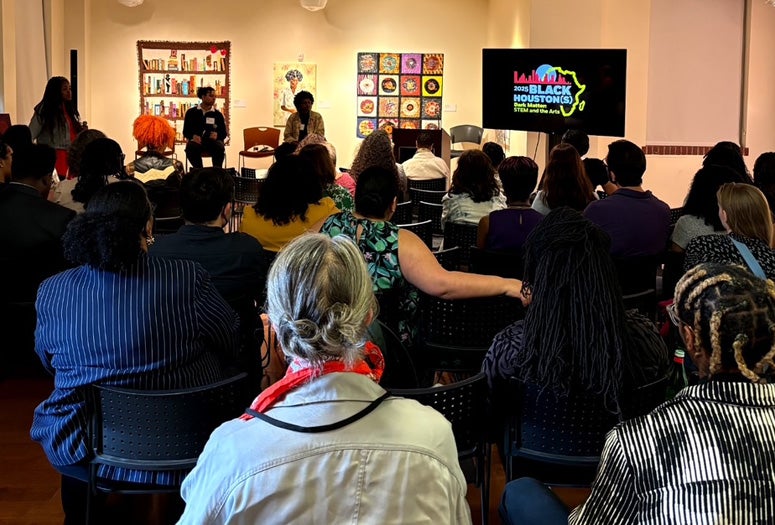
As Houston prepares to host the FIFA World Cup 2026, a gathering at Rice University will explore the deeper cultural stories behind athletics from the discipline learned on youth teams to the community identities shaped by sports across the city. The fourth annual Black Houston(s) Symposium will take place over March 26-27, bringing scholars, athletes, artists and community members together to examine sports as a social and cultural force. The event is free and open to the public.
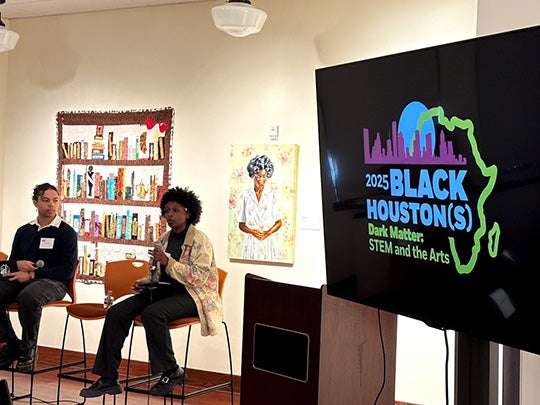
“As somebody who grew up in Houston, I think the person I am today was molded by those experiences I had as a teammate and a leader on sports teams,” Rice historian Portia Hopkins said. “Sports teach you discipline and resilience and teach you how to fail forward.”
Each year the symposium partners with different campus units depending on its theme. The focus on sports arrives as athletics energize Houston from major collegiate tournaments to global events on the horizon. Rice was recently named an Official Houston World Cup 2026 Host City Supporter, and this year’s symposium will take place with the support from longtime campus symposium partners such as the Center for African and African American Studies, Center for Engaged Research and Collaborative Learning and Fondren Library, with 2026 co-sponsorship by the Center for Environmental Studies and Rice Athletics.
This year’s programming will explore the pressures and possibilities of athletic life. Panels will examine topics such as mental health among athletes, the expectations that come with elite competition and the ways sports cultivate discipline, resilience and leadership. The symposium will also feature keynote speaker Damion Thomas of the Smithsonian Institution’s National Museum of African American History and Culture along with panels that include scholar-athletes from Rice, Prairie View A&M University and Texas Southern University.
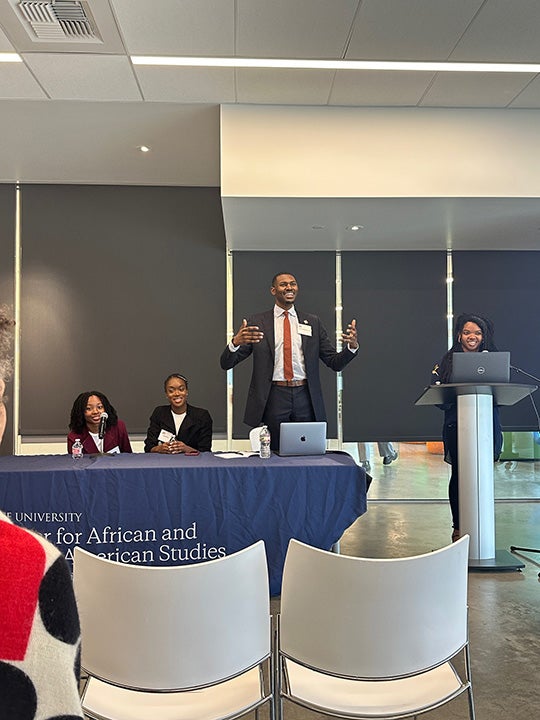
The event’s programming extends beyond traditional academic panels. Performances, public history presentations and curated discussions will explore sports through art, storytelling and community memory. Exhibits will include a student project on the architecture and cultural significance of the Houston Astrodome as well as materials from the Rice archives marking 60 years of Black students at the university. A presentation by public historian Whitley Brantley will highlight women’s contributions to Houston’s sports history, helping balance conversations that often focus primarily on men’s athletics.
The symposium’s structure also reflects a deliberate effort to bridge campus and community. One day of programming (March 26) will take place at the African American History Research Center at the Gregory School in Houston’s Fourth Ward. The following day (March 27) will move to the Rice campus.
“We want the community to feel like they’re also part of Rice,” Hopkins said. “We will go to them and then they’ll come to us.”
The symposium launched in 2023 as Hopkins’ postdoctoral project supported by colleagues across campus. Since then it has expanded into a multiyear program supported by faculty, staff and students from numerous departments.
“To see it institutionalize in the way it is, I’m just so proud of this project,” Hopkins said. “What started as a postdoctoral idea has grown into something the committee, the campus and the community have really embraced.”
The symposium’s executive committee includes faculty, staff and students, reflecting a collaborative model that has helped the event grow organically. Hopkins said many attendees now return each year while new participants join from across Houston’s academic, artistic and activist communities.
Together, they gather to examine how sports shape not only individual lives but also the cultural history of Houston itself.