
Texas has delayed the release of its latest maternal mortality report from Sept. 1 until Dec. 1, raising concerns that critical information about pregnancy-related deaths will not be available when it is most needed to inform policy, clinical care and prevention efforts.
In an op-ed published in the Houston Chronicle, “The dangerous delay of Texas’ maternal mortality stats,” Kari White from Rice University’s Baker Institute for Public Policy and co-author Faith Fletcher from Baylor College of Medicine warn that the delay is especially consequential because the forthcoming report is expected to omit comprehensive reviews of maternal deaths from 2022 and 2023, which are the first two years following the U.S. Supreme Court’s Dobbs decision and implementation of Texas’ near-total abortion ban.
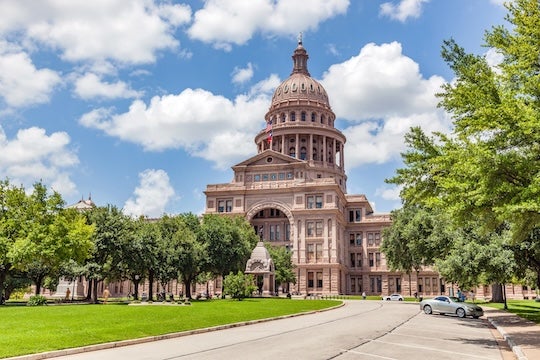
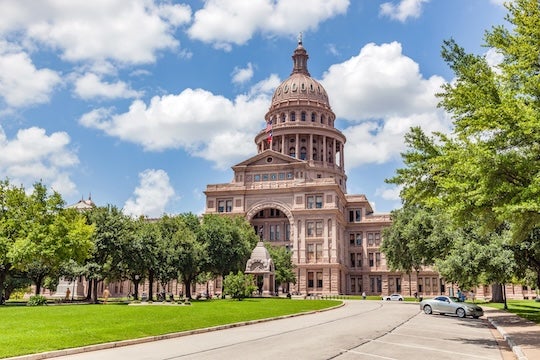
The timing also means the report will not be released until after the midterm elections and just weeks before the Texas Legislature convenes in January, leaving lawmakers with less time to consider its findings as they develop legislation and set priorities for the upcoming session.
“Texas lawmakers cannot make informed maternal health policy without fully examining why pregnant and postpartum Texans are dying,” White said. “The 2022 and 2023 cases cover an especially important period because they can help us understand maternal health after the state’s abortion bans took effect. Without those reviews, we are missing critical evidence needed to identify preventable deaths and evaluate state policy.”
Texas continues to face a maternal health crisis. The state’s maternal mortality rate exceeds the national average, and approximately 80% of pregnancy-related deaths are considered preventable. Racial disparities are particularly stark: From 2016 to 2020, Black women in Harris County experienced the highest pregnancy-related death rate in the nation.
“There is an ethical obligation to learn as much as possible from maternal deaths so that future deaths can be prevented,” Fletcher said. “Comprehensive review and transparent reporting are essential for evidence-based policymaking and protecting the health of Texas mothers and families.”
White and Fletcher say without timely reporting and a full review of the 2022 and 2023 deaths, researchers and policymakers lack critical information about why pregnant and postpartum Texas women died, which deaths could have been prevented and whether changes in Texas health and reproductive policy played a role.
White is a nonresident fellow in maternal and reproductive health at the Baker Institute and executive and scientific director of Resound Research for Reproductive Health. She is an expert on Texas reproductive health and abortion policy, maternal health and access to care. She can discuss the implications of the delayed report, what the missing 2022-23 case reviews mean for understanding maternal deaths and how these gaps affect efforts to evaluate Texas policy.
Fletcher is a researcher who focuses on bioethics, maternal health, health equity and reproductive ethics. She can discuss the ethical implications of delayed and incomplete maternal mortality review, including its impact on transparency, accountability and public trust.