
Caring for a spouse with dementia is arguably one of the most emotionally and physically demanding roles a person can take on, but new research from Rice University suggests the experience is not defined by the diagnosis alone. It is shaped by the relationship behind it.
The study, published in Biopsychosocial Science and Medicine, examines how relationship dynamics influence the mental and physical health of people caring for spouses with Alzheimer’s disease and related dementias.
Led by Rice researchers, including doctoral student Vincent Lai and Christopher Fagundes, professor of psychological sciences and director of the Institute of Health Resilience and Innovation, the study offers a clearer answer to a question many families face: Why do some caregivers cope better than others?
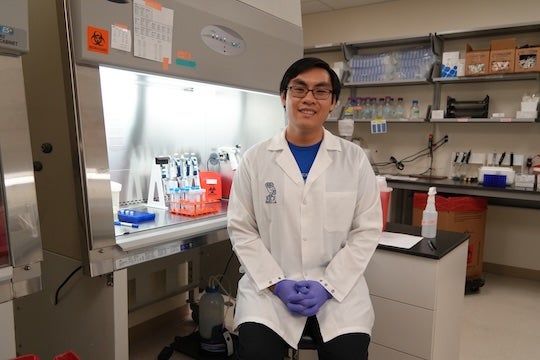
“This transition from spouse to caregiver comes with so many challenges,” Lai said. “You’re not just supporting someone you love. The entire relationship is changing.”
The researchers analyzed 264 spousal caregivers, combining survey data with biological measures of stress, including immune system responses linked to inflammation. What researchers found highlights a powerful connection between emotional patterns and health outcomes.
Caregivers who were more self-reliant or emotionally distant in their relationships were more likely to experience worse mental and physical health, including higher levels of depression and stronger inflammatory responses in the body.
But relationship quality mattered.
For those caregivers, being more satisfied in their marriage helped weaken those negative associations, buffering some of the impact on both mental and physical health. That finding reinforces a central idea in Fagundes’ work: Relationships are not just emotional experiences — they are biological ones.

“Close relationships matter, and they matter not just for mental health but for our underlying biology and how it impacts physical health,” Fagundes said.
The study also revealed a more complex dynamic for caregivers who feel more anxious or preoccupied in their relationships. While those individuals also reported higher levels of depression, relationship satisfaction did not provide the same protective effect and, in some cases, strengthened the link between relationship anxiety and depressive symptoms.
The findings suggest that support for caregivers cannot take a one-size-fits-all approach. Instead, researchers say interventions should consider how individuals experience closeness, stress and connection within their relationships.
“If we want to help caregivers, we need to understand what they’re coming in with,” Lai said. “Their emotional needs and relationship patterns really matter.”
That insight could shape future caregiver support programs, from counseling strategies to community-based interventions, making them more personalized and effective.
As the number of dementia caregivers continues to grow nationwide, the research offers a more nuanced understanding of what support can look like: not just managing the disease but recognizing the relationship at the center of it.