
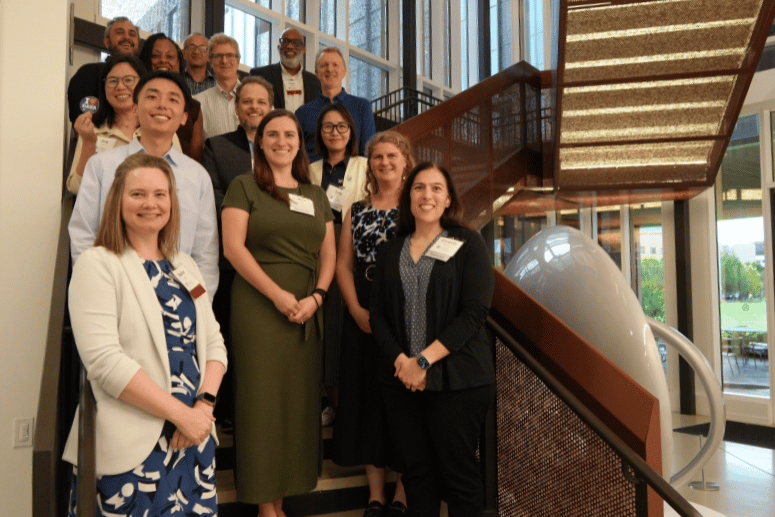
“Let’s get STaRTed!”
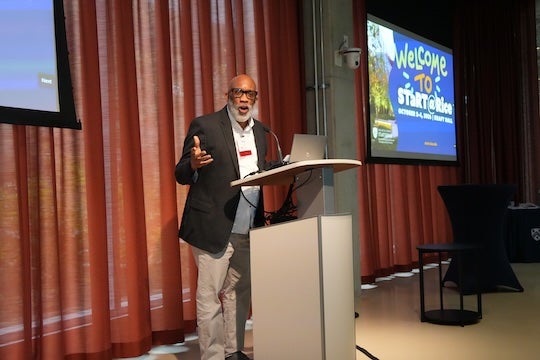
For the sixth fall in a row, Rice University’s Tony Brown welcomed a new group of researchers to STaRT@Rice with the familiar line.
But when Brown created the program in 2021, he had something bigger in mind than teaching students how to run an analysis or master a new research method.
He knew from experience.
As a doctoral student at the University of Michigan, Brown participated in a summer training program that combined rigorous academic preparation with something equally important: a community of people learning alongside one another. He later brought that idea to Rice, creating Statistical Training and Research Techniques at Rice, or STaRT@Rice, to give emerging researchers both the skills and the support to grow as scholars.
Six years later, that combination remains at the heart of the program.
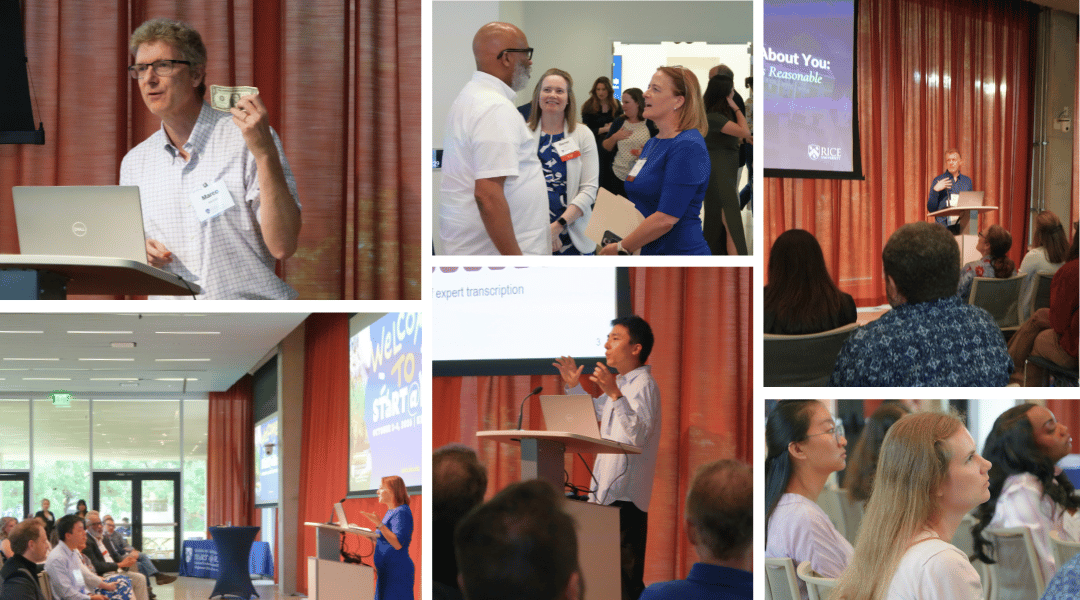
Over three days Oct. 2-4, graduate students moved between workshops on topics ranging from ethnographic techniques and federal research funding to Python, machine learning, large language models and advanced statistical methods. And they were also encouraged to step outside their own disciplines, meet faculty and fellow students and consider where those connections might lead.
For Brown, distinguished professor of sociology and co-director of STaRT@Rice with Jing Chen, learning to become a researcher involves both intellectual discovery and self-discovery.
For students, particularly those who may be the first in their families to navigate graduate education, Brown said that means developing what he calls the “three P’s”: perspiration, perseverance and passion.
“Sweat equity is required,” Brown said.
Students will encounter setbacks, he told them. Research will not always go as planned. They may question whether they belong. Learning how to keep moving forward is part of the process.
Rachel Kimbro, dean of social sciences, encouraged participants to make the weekend about people as well as methods.
“I would encourage you to make those connections to faculty outside of your home department,” Kimbro said.
This year, students did not have to look far.
STaRT@Rice opened with a Research Relay featuring five new School of Social Sciences faculty members, each given four minutes to introduce their research and point to possibilities for collaboration.
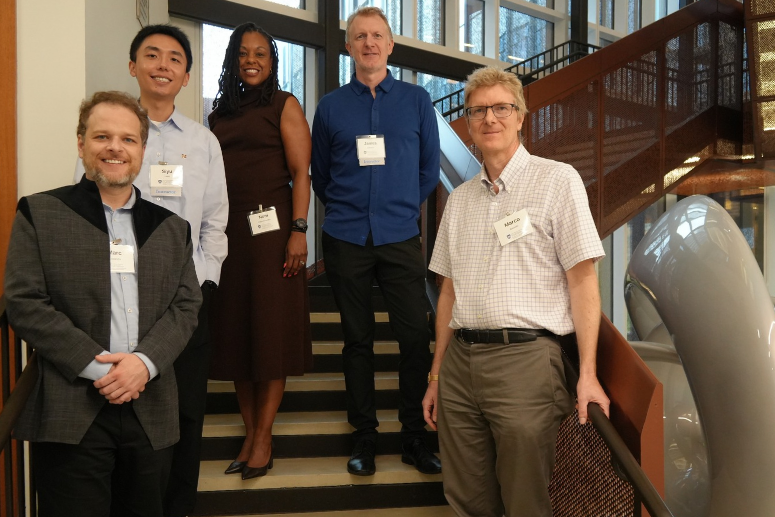
The pairing brought two School of Social Sciences programs together around a common idea: Research gets stronger when people encounter methods, questions and perspectives beyond their own.
Amy Dittmar, the Howard R. Hughes Provost and executive vice president for academic affairs, offered students an example from her own career.
As a doctoral student, a faculty member encouraged her to email another doctoral student across the country whom she had never met. They began talking about their research.
“That would end up being one of my co-authors,” Dittmar said.
Her message to the students gathered at STaRT@Rice was simple: Pay attention to the people you meet.
“They may be your future professors, if you’re a Ph.D. student, or they may be a future co-author,” Dittmar said. “You really never know where that conversation that you’re having could go.”