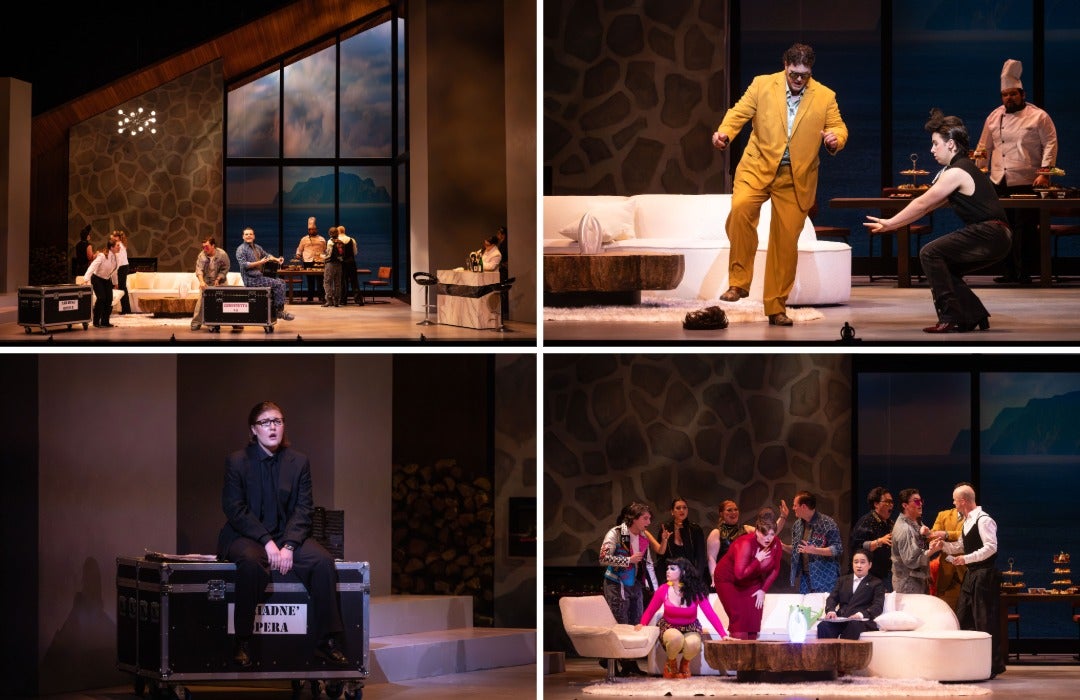
The roughly 40-minute prologue of Richard Strauss’ “Ariadne auf Naxos” packs in more words than most operas fit into three or four hours, said Joshua Winograde, director of opera studies at Rice University’s Shepherd School of Music. Characters trade lines in German at lightning speed, often talking over one another.
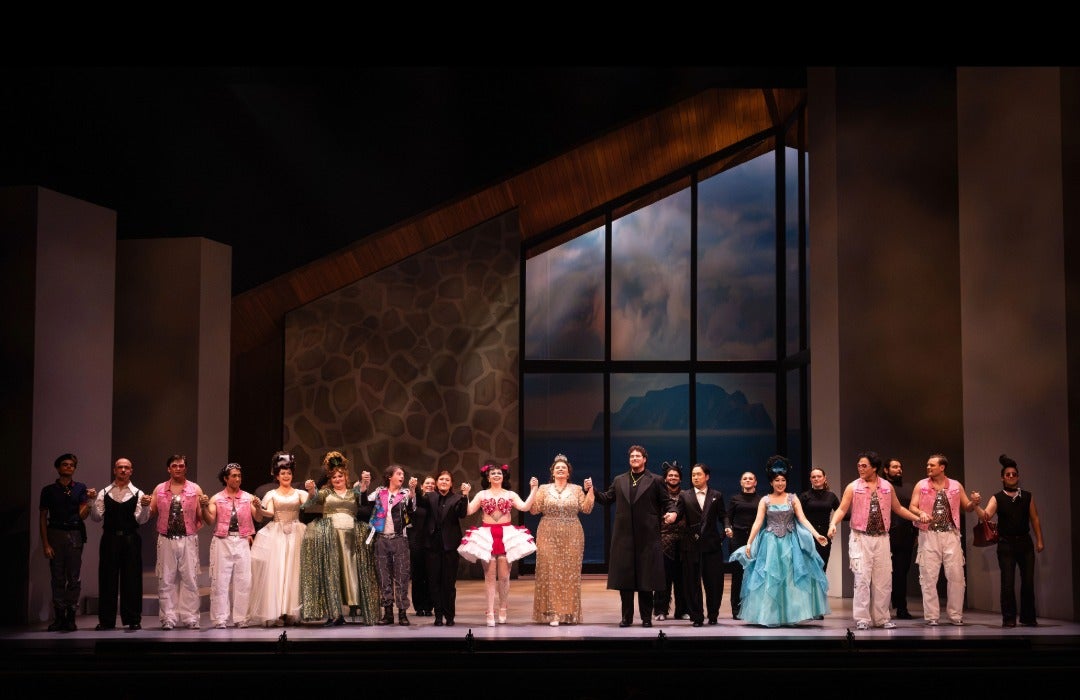
Shepherd School singers kept that pace through two sold-out performances Oct. 30 and Nov. 1 in Morrison Theater at Brockman Hall for Opera, earning standing ovations at both curtain calls. Paul Curran directed. Conductor Christian Reif, a native German speaker, led the Shepherd School Chamber Orchestra and, Winograde said, helped the cast through the dense libretto.
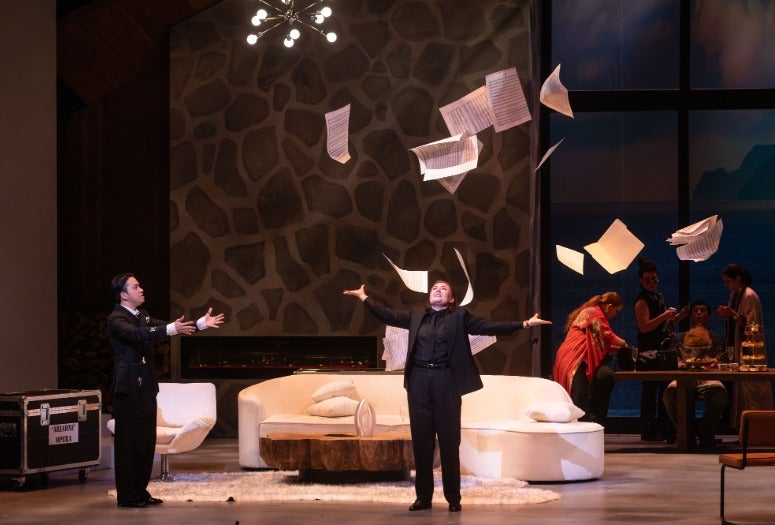
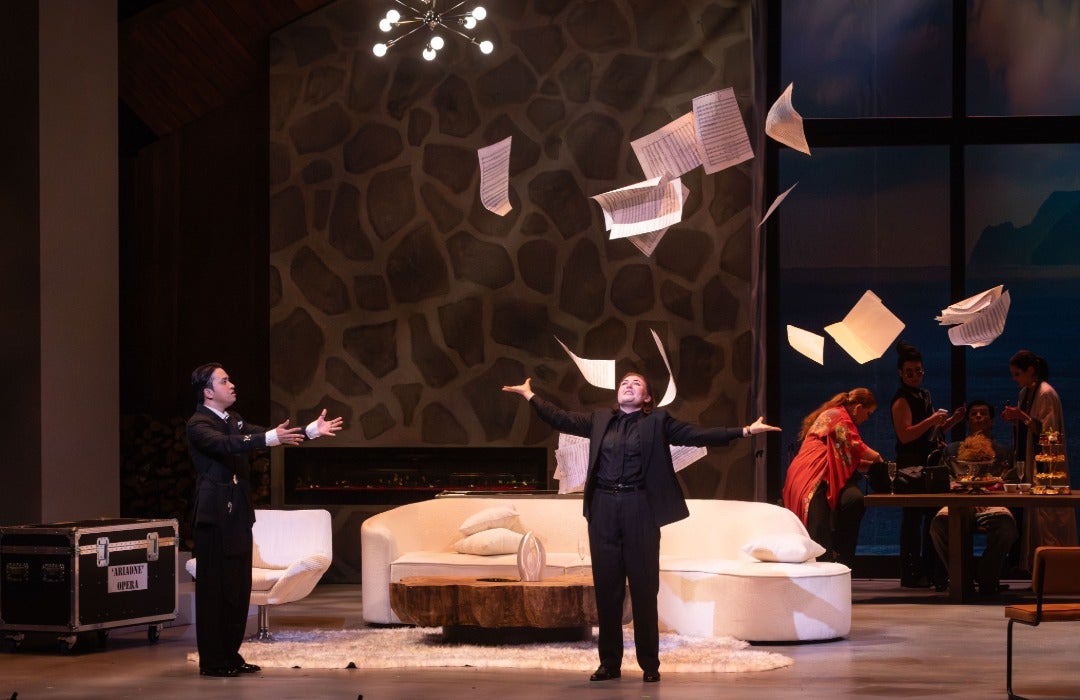
The prologue unfolds backstage after a wealthy patron orders a tragic opera and a comedy troupe to share a single evening. Strauss and librettist Hugo von Hofmannsthal first paired the opera with a Molière play in 1912. The combination proved unwieldy and in 1916 they swapped the play for the prologue.
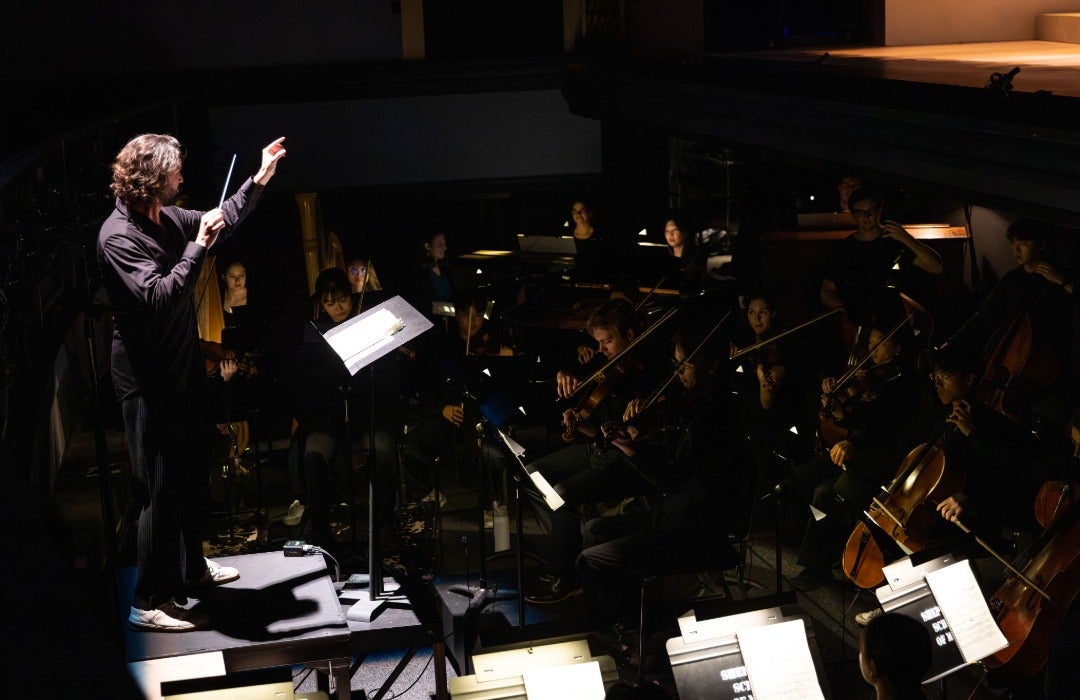

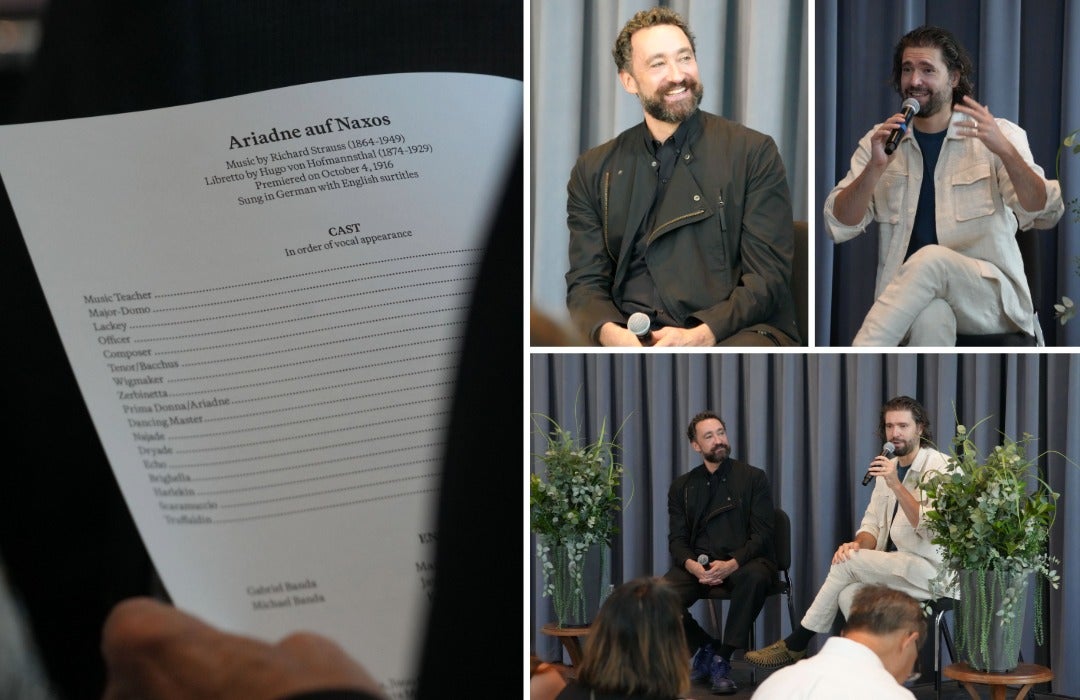
“Strauss in some ways wrote himself into the show with the role of the composer,” Reif said in a preshow talk with Winograde before Sunday’s matinee. “Every artist has had the experience of compromising, of trying to put on a show where not everything goes the way you envisioned it. But the show must go on, and you have to find a way to bring the art you so deeply love to the stage. They explore that sentiment, and they also make fun of it.”
Strauss wrote for an orchestra of only about three dozen players, Reif said, yet gave each camp its own sound. A harmonium, a rarely heard organlike instrument, accompanies the idealistic young composer while a piano drives the comedians almost like a band.
“Zerbinetta, the leader of the troupe, is a brilliant woman and a brilliant entertainer, and she improvises basically everything she says,” Reif said. “The music itself sounds improvised and that is really difficult to pull off. We are playing and singing exactly what Strauss wrote, yet it has to feel fresh and flexible, as if we were inventing it.”
After intermission, the combined show begins. Ariadne mourns on the island of Naxos while the comedians keep bursting in to cheer her up. Winograde said the music gradually lets the audience forget the patron’s palace and slip inside the opera itself.
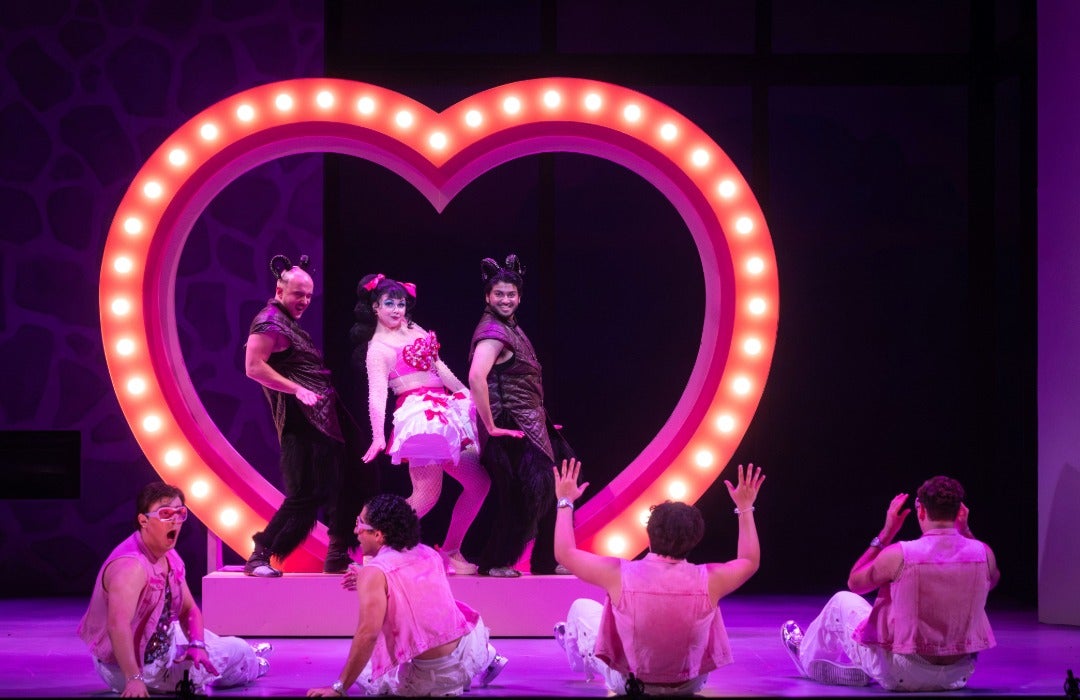
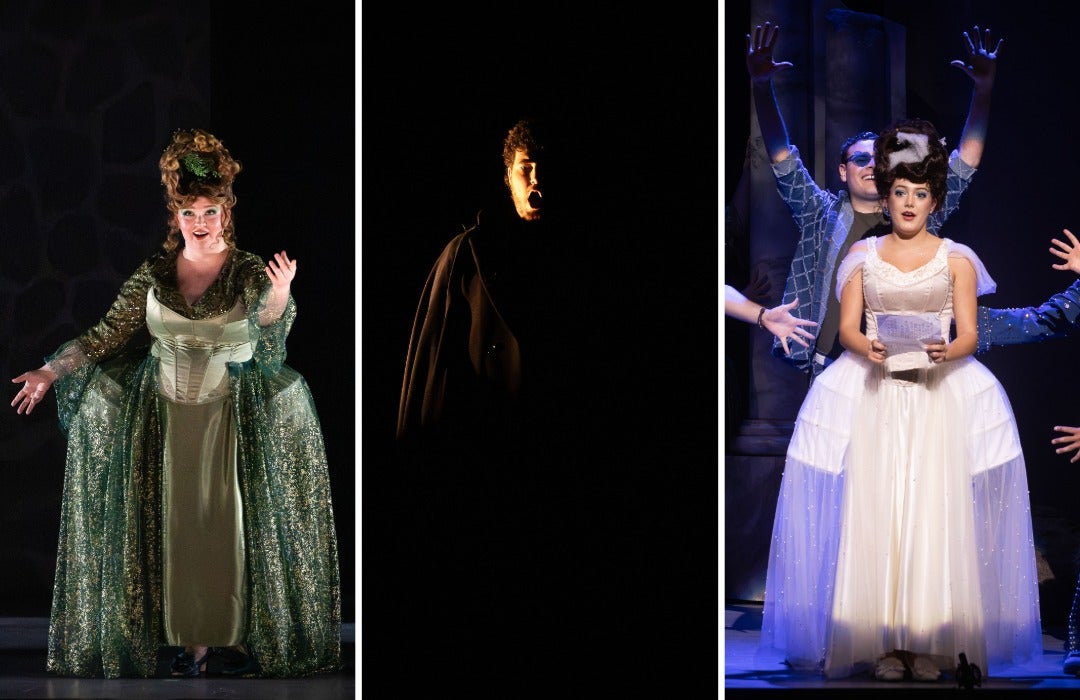
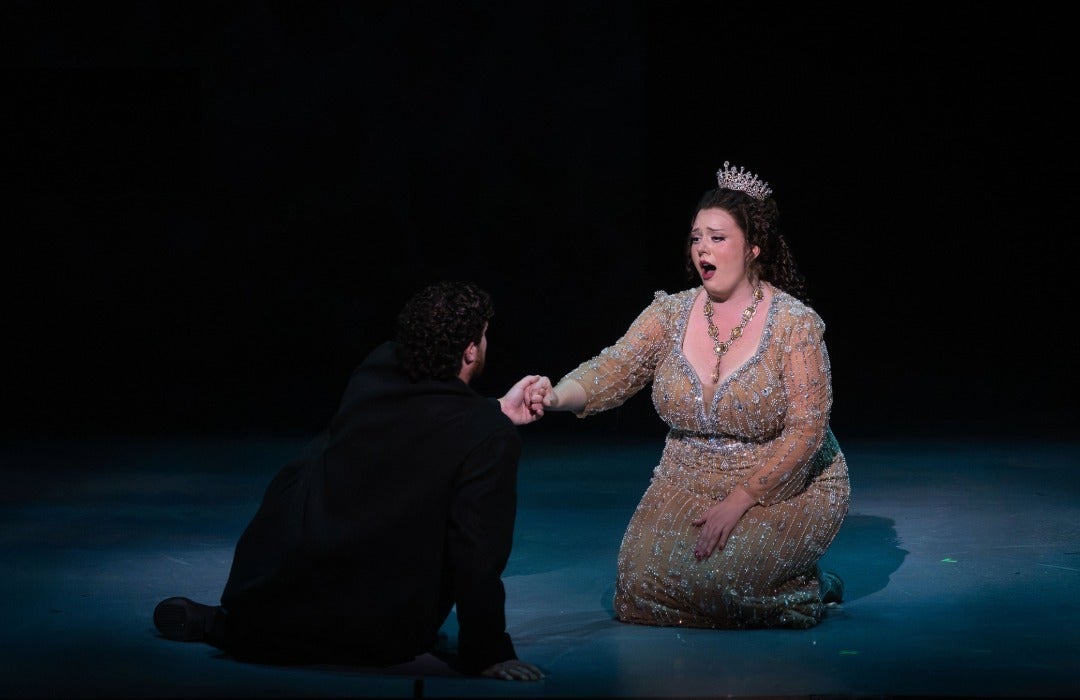
“In the last half hour, Strauss writes very long, continuous lines, and one of the hardest things in this music is breath control, using your breath to sustain those endless phrases,” Reif said. “The singers are doing a marvelous job.”
Sunday’s audience also heard news before the curtain rose. Matthew Loden, the Lynette S. Autrey Dean of Music, announced a new mainstage opera commission made possible by David ’84 and Susan Lummis in memory of their daughter, Adelaide Emily Lummis, an actor who died of cancer in 2025 at 32. Centered on Romanov sisters Tatiana and Olga, the work will premiere on the same stage in the 2029-30 academic year.
Loden noted that “Ariadne” is itself about the often unruly process of creating new art.
“Every new work begins with someone who believes in it,” Loden said.
Learn more about the Shepherd School on its website.