“10/10. I had them all!”
The rave review, written by Rice University students for a mock Yelp page, was about sexually transmitted infections. Its intended audience was every young Houstonian who has never heard of the clinic where they could get tested.
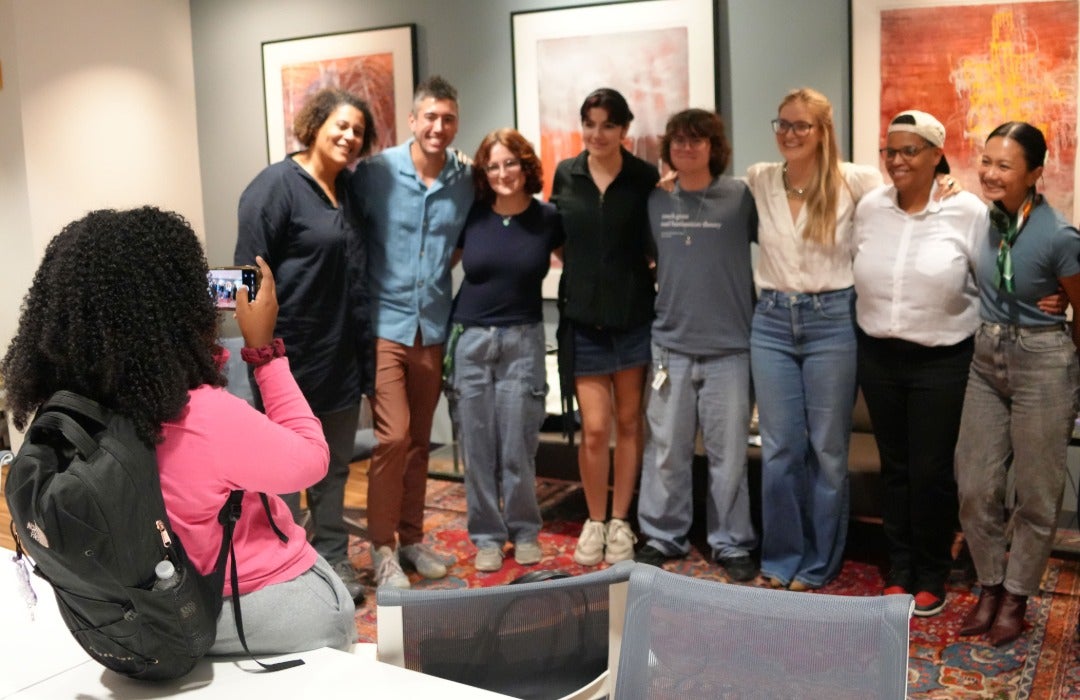
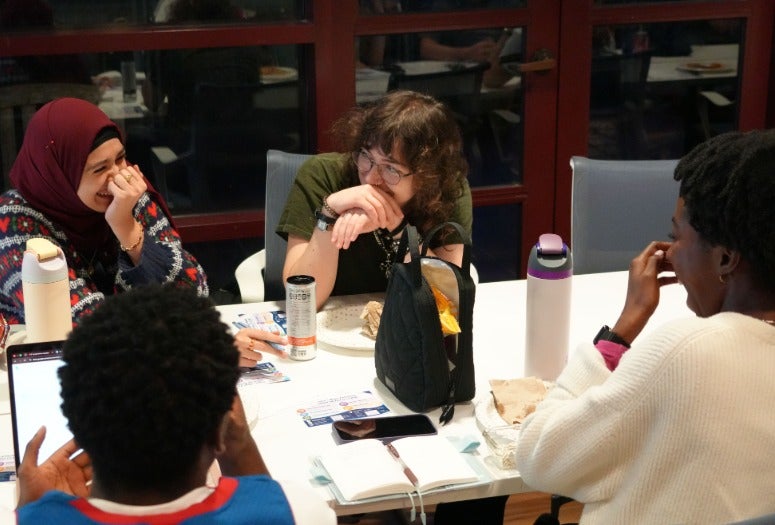
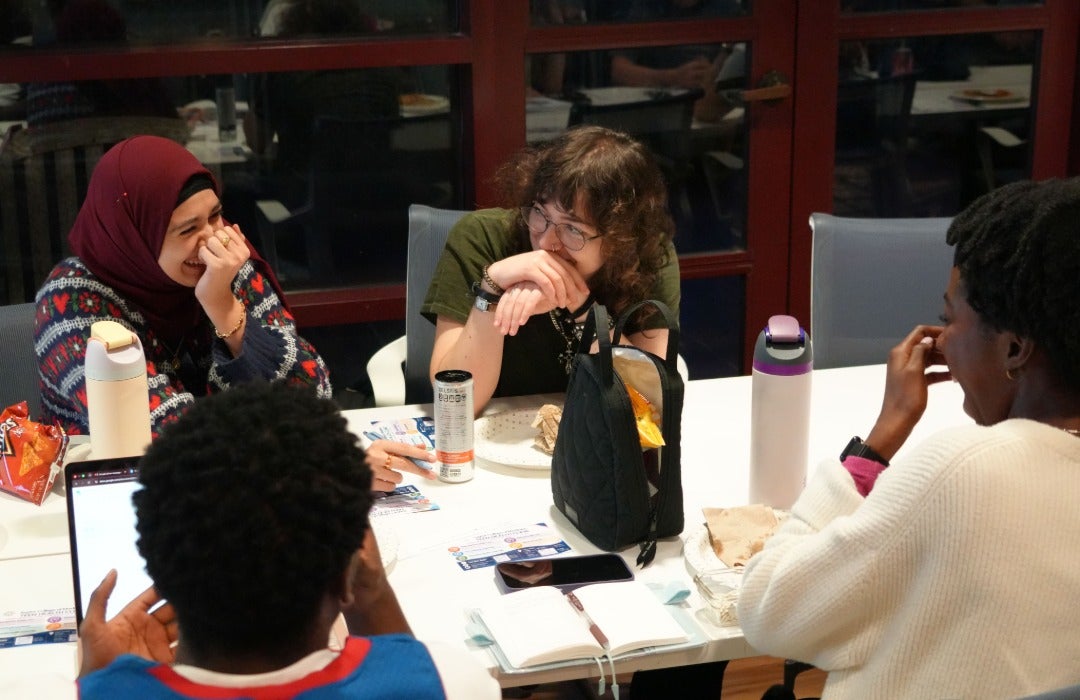
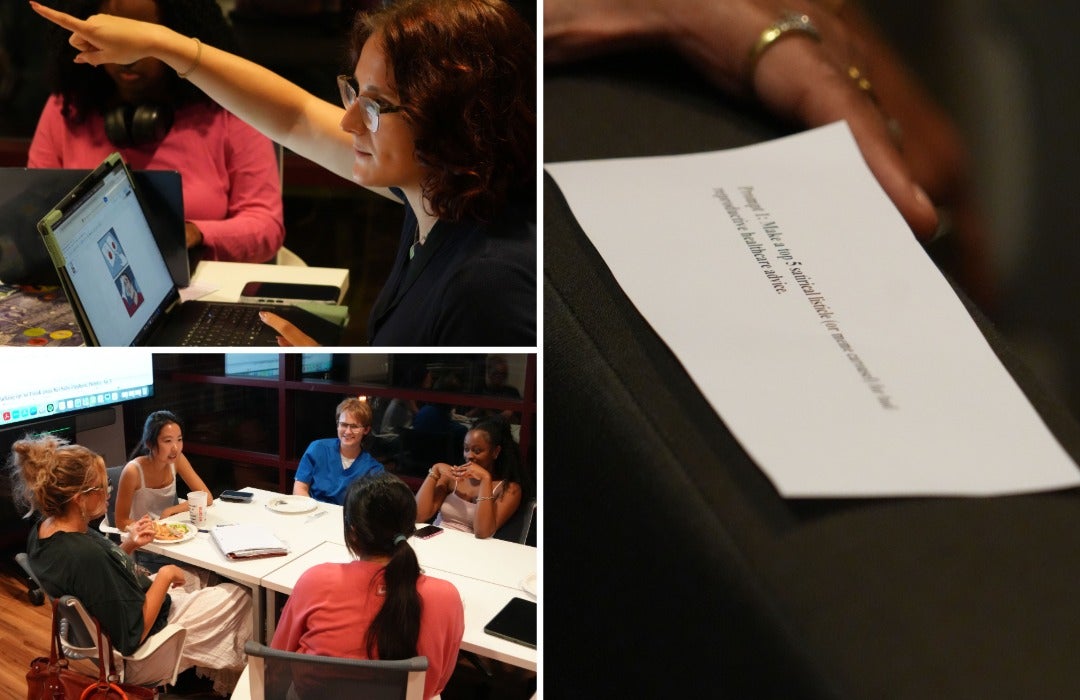
The review came out of Rice’s first official Public Feminism Lab, which drew a standing-room-only crowd of about 40 to Herring Hall Nov. 2. Working in small groups, students also produced memes, listicles, a missed connections skit and a spoof QVC segment, all aimed at their peers on behalf of the Baylor College of Medicine Teen Health Clinic.
Carly Thomsen, associate professor of English and creative writing, organized the lab. J Finley, stand-up comedian, associate professor of Africana studies at Pomona College and author of “Sass: Black Women’s Humor and Humanity,” facilitated.
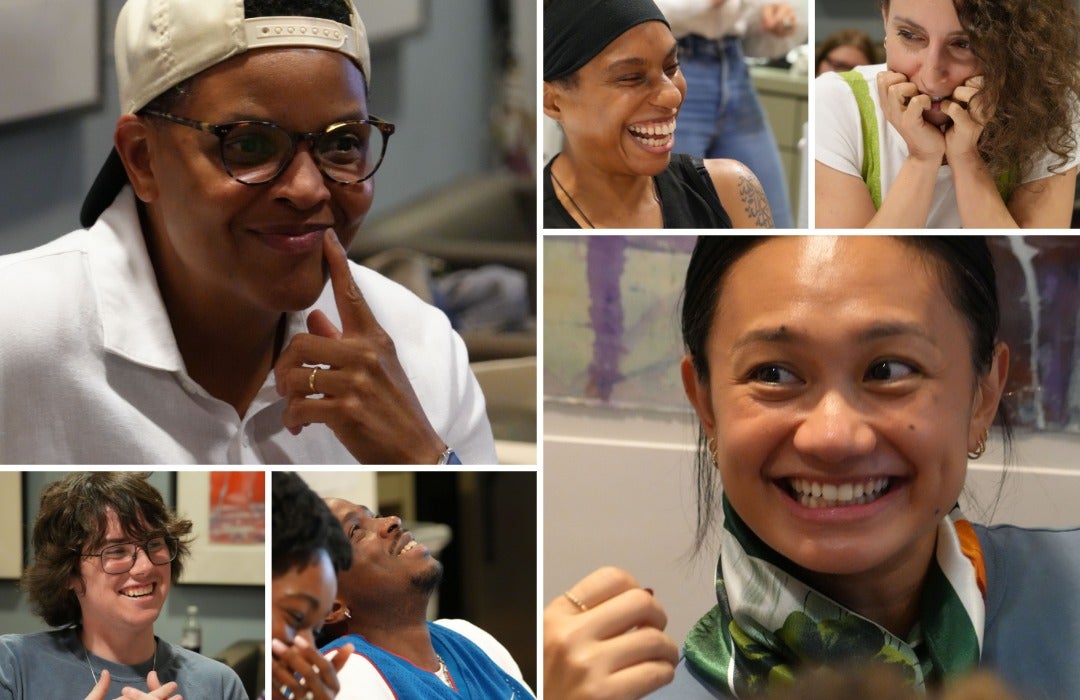
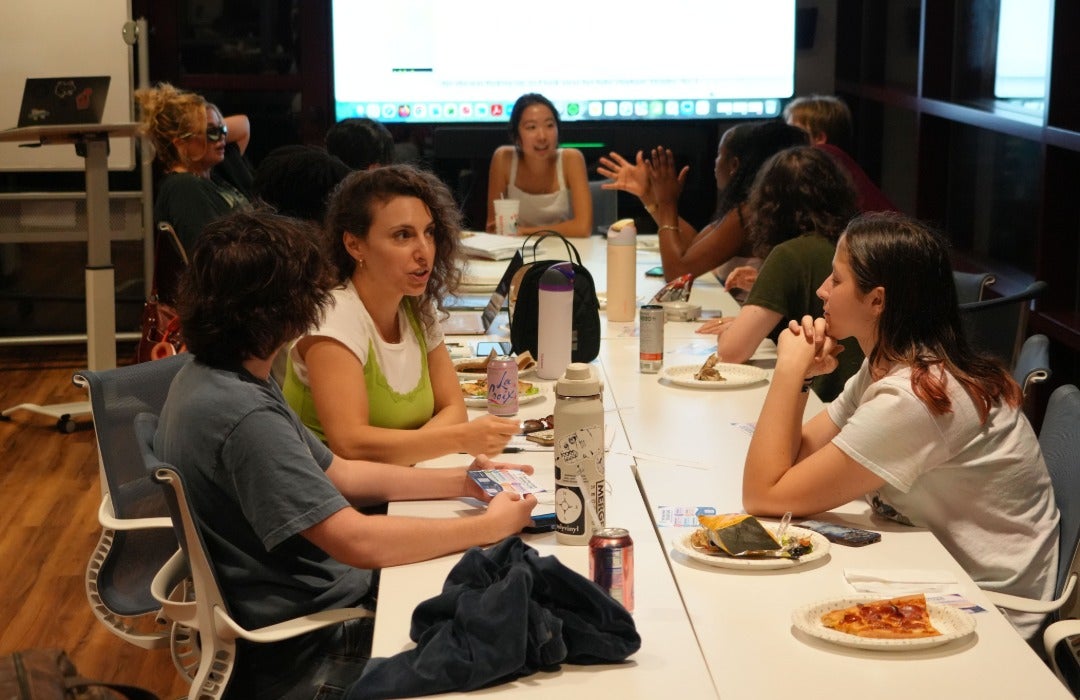
The partnership grew out of the Center for Civic Leadership’s Houston Action Research Team, which pairs community partners with a Rice faculty member, a graduate student liaison and four student researchers to tackle problems the partners identify. Thomsen and Allyssa Abacan, the clinic’s public health programming director, co-support one of those teams. Its question comes from the clinic, which offers free care to Houston-area teens and young adults: how to raise awareness and connect with the age group it serves.
“My position at the Teen Health Clinic is to engage youth,” Abacan said. “What better way to advertise our services than to bring young people into the conversation and have them create something they find funny or that they know their peers will find funny?”
Being funny on purpose takes craft. Finley studies how Black women have used humor and sass to talk back to power, and at the lab, she introduced participants to feminist political humor before sending them into groups with a prompt.
The lab began as a pilot last spring, a test of whether anyone would show up. The room was packed, and Thomsen took the turnout as a sign that students wanted more creative feminist spaces on campus.
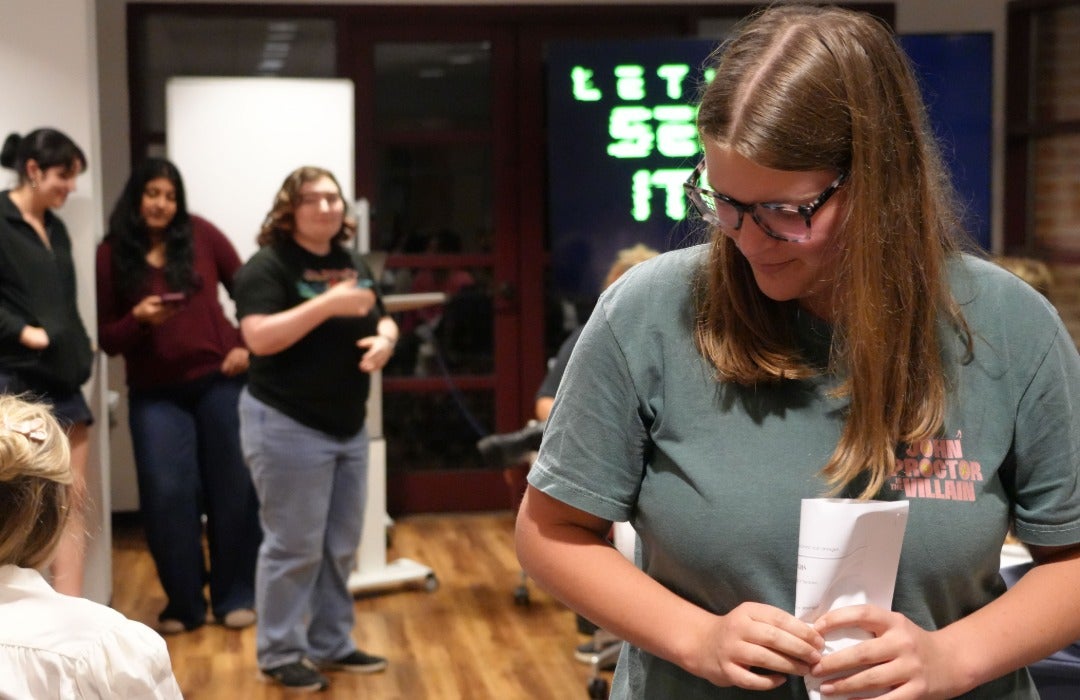
“On a university campus, what we usually do is bring in speakers and they speak at us,” Thomsen said. “That is one way to circulate knowledge, but it can’t be the only way.”
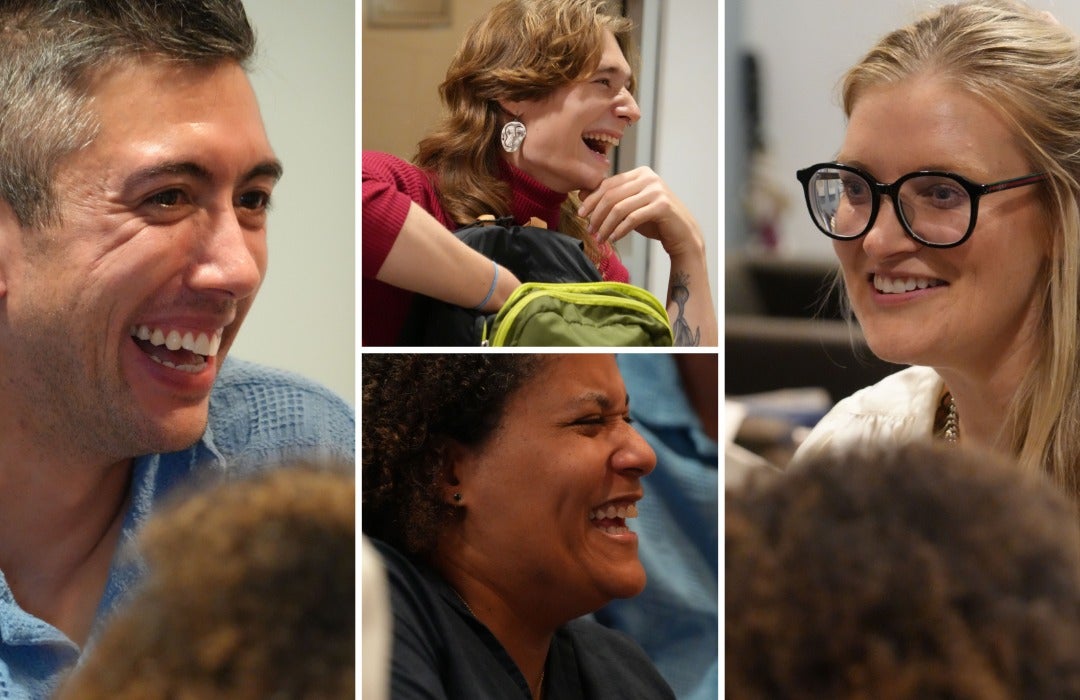
“It was honestly really heartening to see the room fill up, especially because the lab came out of people wanting to think and make things together, face to face,” said junior Lajward Zahra, who helped organize the lab. “At a moment when feminist politics can feel especially fraught, I was surprised, in a really heartening way, by how many people wanted to be part of that kind of collective space.”
Thomsen said students in her classes and on her research team told her they wanted room outside the classroom to create feminist work of their own. Research teams are rare in the humanities, and she lacks the funding to hire every interested student as an assistant. Since not every student will take a feminist studies course, the lab offers short sessions open to anyone and built around busy schedules.
“At an academic talk, people talk to you and you ask a question, but there’s no deep engagement on your part,” Thomsen said. “You’re not actually contributing to the work of eradicating the problems you’re learning about.”
The Humanities Research Center supports the Public Feminism Lab and Brown Teaching Grants, and the Center for the Study of Women, Gender and Sexuality helped bring Finley to campus.
“The fact that our first event of the semester drew this kind of turnout and engagement suggests that students and faculty alike are hungry for spaces beyond the classroom to practice feminist thinking and feminist doing,” Thomsen said.
The lab ran in conjunction with Can You Take a Joke? The How and Why of Political Humor, a Humanities Big Questions course Thomsen co-teaches with Michael Dango. Dango, associate professor of English and creative writing and director of the Program in Media Studies, also attended. The course asks how jokes build group belonging, how they police group boundaries and who gets to decide when to laugh, questions the clinic’s prompt put to a real-world test.
Students in the course will perform original material at an end-of-semester comedy showcase with feedback from Finley, who is leading a two-day workshop in the class. The lab’s output now goes to the clinic.
“I’m older than the young people the Teen Health Clinic serves, so my humor might not be the same as theirs,” Abacan said. “If we’re working for teens, why not invite them in on the joke?”