

As concerns grow over democratic backsliding and rising authoritarianism around the world, Rice University political scientist Oren Samet is studying how opposition movements fight for change and the role the international community plays in shaping those efforts.
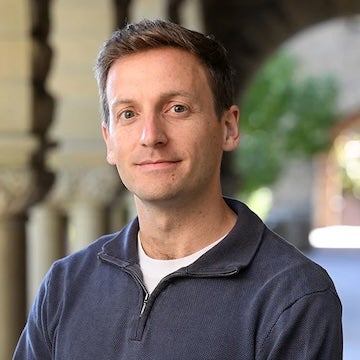
Samet, an assistant professor in the Department of Political Science, researches the international dimensions of authoritarian politics and democratization. His work explores how regimes change over time, what drives moves toward greater authoritarian control and how opposition movements respond both within their own countries and across borders.
“The answers to these questions have huge implications for the future of global democracy, particularly now, amidst a more uncertain and tumultuous international environment,” Samet said.
His dissertation, “Challenging Autocrats Abroad: Opposition Parties on the International Stage,” received the 2026 Outstanding Dissertation Award from the International Collaboration Section of the American Political Science Association.
Guillermo Rosas, Lena Gohlman Fox Professor of Political Science and chair of Rice’s Department of Political Science, said Samet strengthens the department’s ability to examine complex global challenges from multiple perspectives.
“Oren’s presence in our department immediately advances our goal of building analytical bridges across subfields in political science,” Rosas said. “It allows us to study complex global challenges like democratic resilience by building on insights from the study of both domestic and international actors and institutions.”
The project examines complicated questions facing opposition parties operating under authoritarian regimes: When should they seek support from foreign governments and international organizations, and when could that help create new challenges?
“One thing that was surprising and difficult to wrap my mind around was how challenging decisions around international outreach and engagement can be for opposition parties,” Samet said. “It’s not only difficult for them to know how effective their outreach might be, but also difficult to weigh these potential benefits against the risks that engaging foreign governments entails.”