
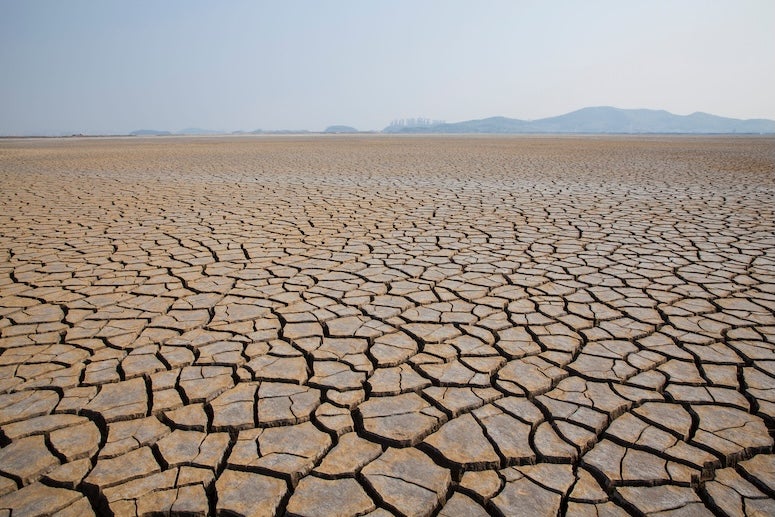
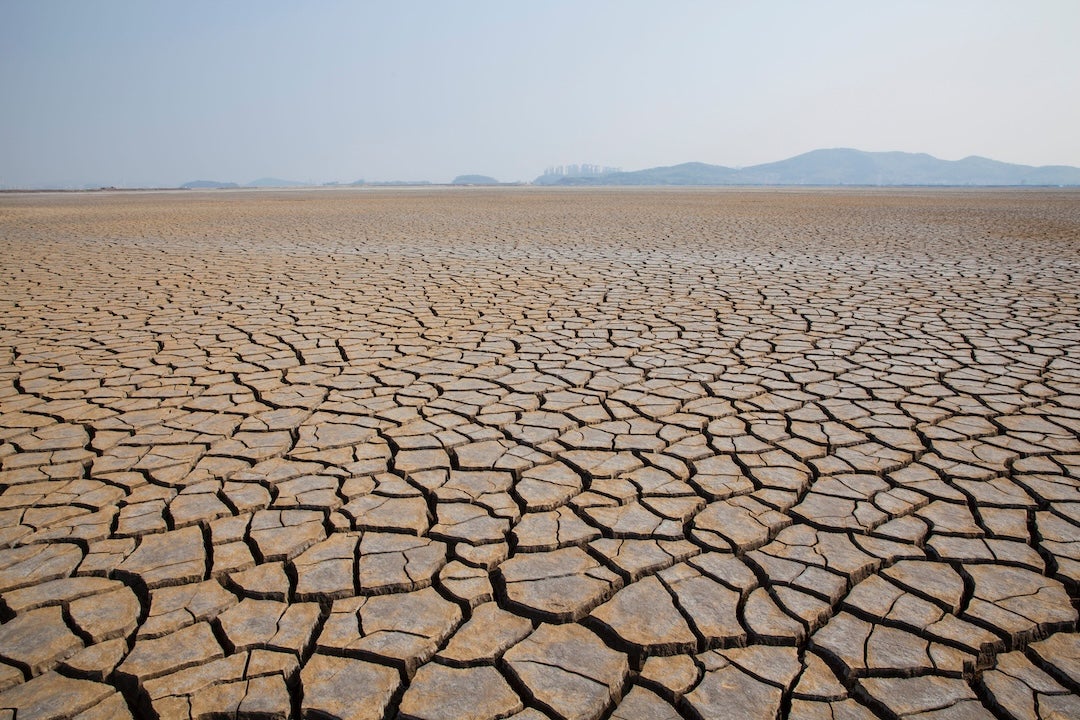
El Niño conditions have returned, and forecasters say the climate pattern could strengthen significantly later this year, potentially developing into a “super” El Niño. Marked by unusually warm waters in the central and eastern tropical Pacific Ocean, El Niño can disrupt weather patterns around the world, influencing rainfall, drought, heat, hurricanes, flooding and other climate-related hazards.
Rice University experts are available to discuss what it could mean for coastal storms, extreme rainfall, flooding, infrastructure, disaster recovery, climate variability and social instability.
Sylvia Dee
Associate professor of Earth, environmental and planetary sciences and civil and environmental engineering
Dee is a climate scientist who studies how natural climate patterns such as El Niño, La Niña and the Indian Ocean Dipole interact with climate change to shape weather extremes, hydrological risk and impacts on human and natural systems. Her expertise connects large-scale climate variability to regional conditions that can amplify risks to communities, ecosystems and infrastructure.
Avantika Gori
Assistant professor of civil and environmental engineering
Gori is an expert on hurricane climatology and coastal hazards. She leads several NASA- and National Science Foundation-funded projects aimed at better understanding how climate change and urban development are exacerbating hurricane and flood risks in coastal cities. Her research integrates physics-based models, big datasets and statistical and AI methods to improve risk quantification.
James Doss-Gollin
Assistant professor of civil and environmental engineering
Doss-Gollin is an expert on extreme rainfall, urban flooding, infrastructure resilience and flood-risk management. His research explores probabilistic hazard modeling and its applications, including rainfall frequency estimation, physics-informed machine learning for flood simulation and power grid resilience to climate extremes. He combines physical modeling with statistical and machine learning methods to better characterize risk under changing environmental conditions. He is a member of Rice’s Severe Storm Prediction, Education and Evacuation from Disasters (SSPEED) Center and leads the Advancing AI for Climate Risk and Resilience cluster at the university.
Dominic Boyer
Professor of anthropology and co-director of Center for Coastal Futures and Adaptive Resilience
Boyer studies climate mitigation and adaptation. After Hurricane Harvey, he led a National Science Foundation-funded project that examined the emotional and social toll of repeated flooding on Houston residents’ decisions to stay or leave the city. He now investigates how green stormwater infrastructure could support climate resilience in underserved neighborhoods of northeast Houston.
Frederi Viens
Professor of statistics
Viens is an expert in probability theory, stochastic processes, mathematical statistics, Bayesian statistics and applied statistics. His collaborative research includes climate science, agroecology, agricultural economics, development economics and risk modeling. Viens can discuss how statistical modeling and uncertainty analysis help researchers assess how predictable climate patterns may shift the probability of extreme events and social risks across regions.
Albert Pope
The G.S. Wortham Professor of Architecture
Pope frequently discusses how urban form, land use and infrastructure affect flood vulnerability and resilience in Houston and other coastal cities. He can speak to how El Niño-driven rainfall extremes interact with urban design and drainage systems.
To schedule an interview with one of these experts, contact media relations specialist Alex Becker at alex.becker@rice.edu.