

The television networks that supply the nation’s pooled video of the president stood down Monday. They halted pool coverage in solidarity with three news outlets President Donald Trump barred from White House grounds over the weekend. Earlier in the day, CNN, MS NOW and Politico announced they would file a First Amendment lawsuit against the White House. In a joint statement, they said the administration revoked their journalists’ credentials without notice or process because it objected to their reporting.
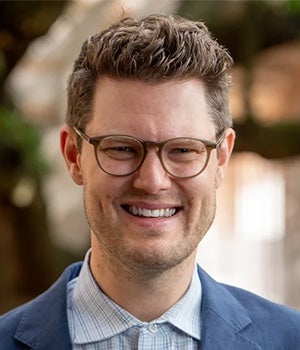
Liam Mayes, an assistant teaching professor in media studies at Rice University, is available to discuss what the ban means for press freedom and public trust in the news. Mayes is core faculty in Rice’s Program in Media Studies under the direction of Michael Dango. His courses at Rice have included American Political Media; Democracy and AI; and TV to TikTok: Everyday Media along with first-year writing seminars on U.S. electoral politics and the media. His research examines democracy, protest and public culture.
“This most recent ban represents a continuation and an intensification of Trump’s efforts to take action against media outlets and individual journalists he considers hostile,” Mayes said. “Regardless of the outcome of the lawsuit, there are already two key consequences of the ban.
“First, even if CNN, MS NOW and Politico have their White House credentials promptly returned, it is clear that news organizations willing to report stories that cast the current administration in a critical light are not welcome in the White House. Our democracy requires a free press. This ban imposes a hard limit on that freedom now and will serve as an example of what dissenting voices can expect moving forward.
“Second, the ban calls into question the credibility of three news organizations at a moment when it is becoming increasingly difficult to separate reliable information from misinformation and suspicious AI-generated content. These media outlets have not only long track records of informing the public but also institutional cultures and mechanisms designed to sustain journalistic ethics. Now as ever, we need to be cultivating ethical journalism and calling attention to the institutions that practice it so that people know where to find reliable, well-sourced stories and fact-checked information.”
Launched in 2025 within the School of Humanities and Arts, the media studies program pairs the critical study of media, power and politics with hands-on production in film, podcasting and social media.
To schedule an interview with Mayes, contact Rice media relations specialist Brandi Smith.