
Rice University’s Campus Framework Plan has been recognized with an Honor Award from the Society for College and University Planning (SCUP) for Excellence in Planning for an Existing Campus, honoring a long-term vision that integrates campus growth, sustainability, infrastructure and the preservation of Rice’s distinctive character.
The 2026 SCUP Excellence Awards recognize outstanding achievement in comprehensive campus planning and design. Out of 99 overall applications this year, Rice was selected in the existing-campus category for a framework plan developed with Sasaki as the lead planning and design consultant, along with Walter P. Moore, TEI and CMTA.
The award recognizes more than a blueprint for future construction. The framework provides a strategy for translating Rice’s academic ambitions and projected growth into a physical campus while addressing infrastructure needs, sustainability goals, deferred maintenance and the university’s architectural and landscape heritage.
“Rice’s strategic plan Momentous sets an ambitious course for the university, and our Campus Framework Plan provides the physical road map to help us realize that vision,” Rice President Reginald DesRoches said. “This recognition from SCUP affirms that we can pursue transformative growth while remaining thoughtful stewards of our campus, our environment and the Rice experience. By aligning our physical campus with our strategic priorities, we are creating a foundation that will support Rice’s continued excellence in education, research and innovation for generations to come.”
SCUP’s jury praised the plan for its intentional approach to engagement, sustainability, campus fabric and district-level planning. The jury highlighted the plan’s integration of sustainable open spaces with Rice’s historic landscape character and its extensive engagement with campus and community stakeholders.
The framework is designed to support Rice’s continued growth while preserving the qualities that make the campus distinctive. Over the next 30 years, the plan anticipates significant growth in the university’s population and physical footprint while maintaining the pedestrian scale and collegiate character of the historic campus. It also calls for expansion of the residential college system and improvements to student life, research and academic facilities.
“Rice’s Campus Framework Plan gives us a thoughtful road map for how we can grow as a university while remaining true to the character and sense of place that make this campus so special,” said Kelly Fox, executive vice president for operations, finance and support. “This recognition from SCUP affirms the strength of that vision and the collaborative work that went into creating it. By bringing together our aspirations for growth, sustainability, infrastructure and stewardship of our campus, the framework positions Rice to build an even stronger future.”
For Brian Lindoerfer, associate vice president for facilities, planning and capital construction, preserving the university’s sense of place is central to the plan.
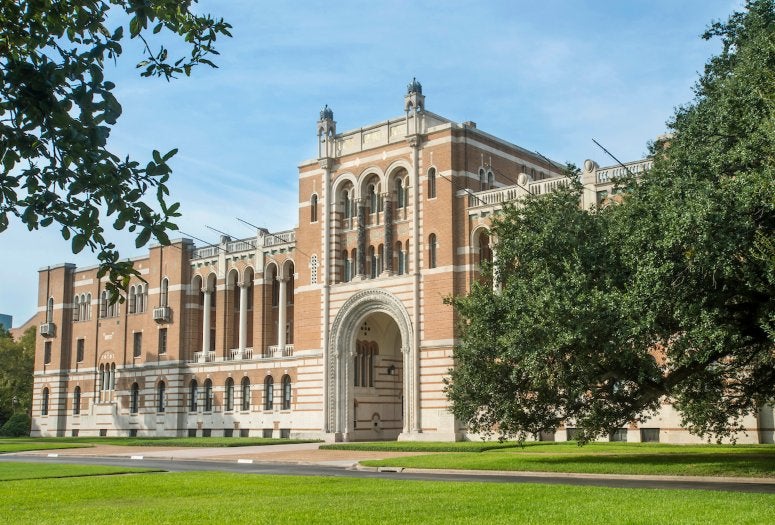
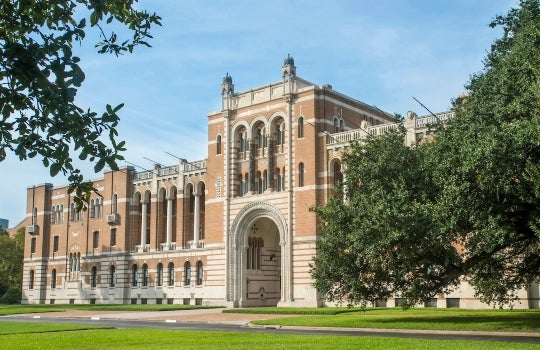
“Rice’s trees, landscape and iconic architecture — particularly Lovett Hall — are among the features that give the campus its character,” he said. “Thoughtful planning can allow Rice to grow without sacrificing those qualities.”
Lindoerfer pointed to the new Chao and Lovett colleges as examples of how the framework considers density and location. Their greater height works along Main Street, he said, while placing similarly tall buildings in other areas could feel out of character with Rice’s campus.
Sustainability is another defining feature of the framework. Richard Johnson, senior executive director in the Office of Sustainability, said Rice has found opportunities to align investments in aging infrastructure and deferred maintenance with efforts to reduce energy consumption and greenhouse gas emissions.
“The more sustainable path is proving to be the more economical path as well,” he said.
The plan also envisions continued transformation of Rice’s landscape through native and adapted plantings, expanded green spaces and improvements that support stormwater management, biodiversity and wellness.
Energy infrastructure could serve an educational purpose as well. Johnson said future utility infrastructure could potentially become a “living lab,” giving students and faculty opportunities to study clean energy technologies and use data generated by those systems for research and class projects.
The framework also looks beyond the traditional campus boundaries. Its “blurring the hedges” concept envisions stronger connections between Rice and surrounding Houston communities, including Rice Village and the Ion District, while also strengthening connections toward the Texas Medical Center.
Ultimately, Rice’s leadership sees the framework as a physical expression of the university’s broader ambitions.
“This plan provides the physical foundation for Momentous,” Lindoerfer said, “It aligns our facilities and infrastructure to the university’s strategic vision and to Edgar Odell Lovett’s original aspiration for Rice to become one of the world’s leading institutions.”