

Entrepreneurship doesn’t always begin with a new idea; it can start with an established business ready for its next chapter and an entrepreneur who sees ways to strengthen it.
That model, known as entrepreneurship through acquisition (ETA), has deep roots at Rice University. Rice began teaching ETA in 1979 with Ed Williams, and Rice Business continues to build on that legacy through academic programming, student organizations, industry partnerships and a growing network of alumni and investors.
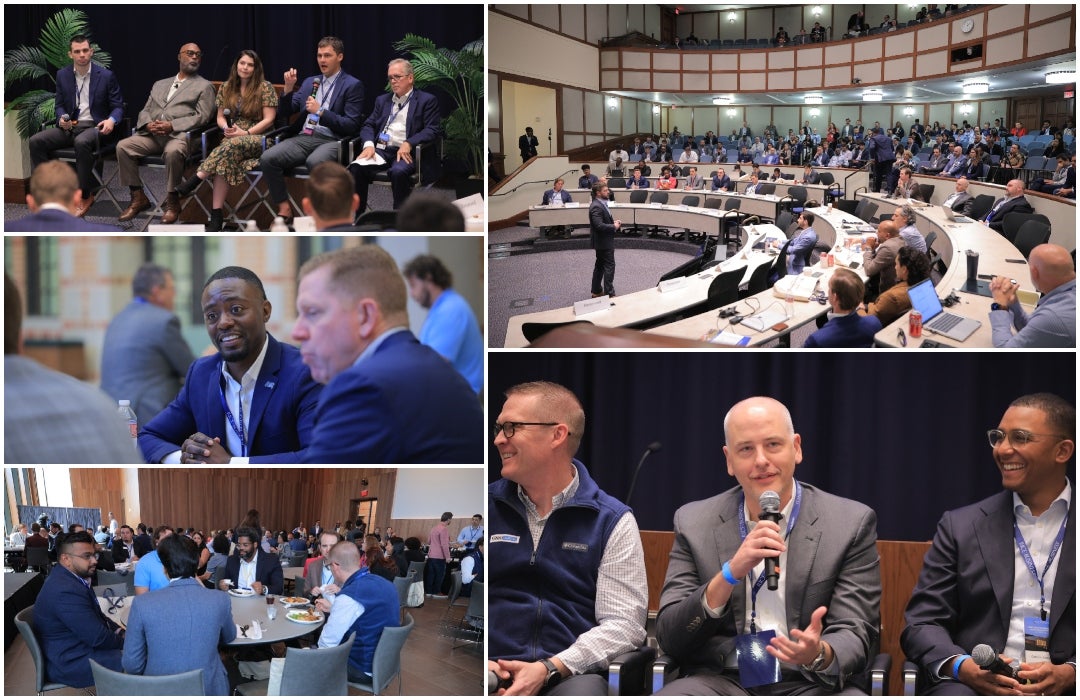
The annual Texas ETA Conference, organized by Rice MBA students and hosted by Rice Business, brought together aspiring entrepreneurs, investors, business owners and advisers to discuss the opportunities and challenges of acquiring small businesses. The conference explored the full acquisition journey, from identifying prospective sellers and evaluating companies to structuring deals, securing financing and creating value after a purchase. Its conversations reflected both the growing interest in ETA and the practical knowledge required to make an acquisition successful.
For aspiring entrepreneurs, buying an existing company offers an alternative to starting a business from scratch. Rather than developing a product, finding customers and building operations from the ground up, an acquirer takes over an established enterprise and looks for ways to improve its performance. That may mean expanding sales, professionalizing operations, improving pricing or introducing technology and systems that the company has never had.
Al Danto, senior lecturer in entrepreneurship, spoke about Williams’ class in his opening remarks welcoming the audience to McNair Hall as well as the new Asha and Farid Virani Hall.
“[Williams] said that the greatest opportunity for a Rice MBA was to acquire an unsophisticated business and add sophistication to it,” Danto said. “I don’t think in nearly 50 years that concept has changed.”
Rice’s entrepreneurship ecosystem helps students explore that path before committing to it. Coursework introduces the mechanics of acquisition, while the Rice ETA Club and internship opportunities connect students with practitioners and real-world experiences. The university’s entrepreneurship resources, alumni relationships and investor networks provide additional opportunities to learn from people who have pursued acquisitions themselves.
The conference extended that community, giving participants an opportunity to compare approaches and hear candid perspectives on the realities of searching for and running a company. The conference included a keynote from Robert Graham, a founding partner at SIG Partners, and founder and CEO of Pillar Health Group, as well as panels on navigating a deal, investor perspectives and the next steps after an acquisition. The conference also featured a valuation workshop.
“Buying a business is only the beginning,” said Jeff Fleming, interim dean of Rice Business. “Entrepreneurs need to know how to run it, improve it and grow it. By bringing aspiring entrepreneurs together with investors, business owners and advisers, our students have created a forum for practical conversations about what it takes to acquire and lead a company.”
One major theme was the increasingly competitive market for acquisitions. Speakers described a field that has expanded significantly as more business schools introduce ETA programming, more searchers enter the market and more investors pursue opportunities. For buyers, that means finding promising companies requires more than monitoring listings or relying on brokers.
Building relationships directly with business owners remains essential. Panelists encouraged searchers to make consistent outreach, follow up thoughtfully and treat the process as a long-term relationship-building effort. Artificial intelligence and other technology can improve research and efficiency, but they do not replace the trust required to persuade an owner to sell a business to a new leader.
Evaluating a company also requires looking beyond its obvious strengths and weaknesses. A business without a formal sales team, a marketing budget or standardized operating procedures may offer substantial opportunities for improvement. At the same time, buyers must understand risks such as dependence on the owner, customer concentration, industry cycles and changing regulations.
The discussion underscored that ETA is not a single formula. Aspiring buyers may pursue traditional search funds, self-funded searches or newer models that combine elements of both. Attendees were encouraged to research the options, speak with entrepreneurs who have taken different paths and identify a strategy suited to their circumstances.
Yet the fundamentals of successful ownership remain consistent: understand the business, identify realistic opportunities to improve it, build strong relationships and prepare for the work of operating a company after the deal closes.
That emphasis on practical experience is central to Rice’s approach. The university’s longstanding engagement with ETA gives students access to a field shaped not only by finance and dealmaking but also by leadership, operational judgment and the responsibility of sustaining businesses and the jobs they support.