
When cartel violence erupted in western Mexico earlier this year, Rice University already knew exactly where many of its travelers were. Within hours of the unrest, the Rice Global team began checking in with students, faculty and staff across the country. The effort relies on the university’s international travel registry.
The registry allows Rice to see where members of its community are traveling abroad and reach them quickly if conditions change. For Juliana Crim, Rice’s Global travel safety manager, that information becomes critical when conditions change suddenly.
“My role is to evaluate all of the international travel happening at the university,” Crim said. “I look at who is traveling, what they’ll be doing and where they’re going, identify any elevated risks and figure out ways to help mitigate those risks.”
In February, security forces killed the leader of the Jalisco New Generation Cartel in Mexico’s Jalisco state, prompting retaliatory violence and travel disruptions across several regions. U.S. authorities advised travelers in multiple areas to shelter in place while conditions stabilized. Crim had already seen the escalation in news alerts. She quickly coordinated with colleagues across campus and drafted a situation report to assess the risk and communicate with Rice travelers in the region.

“I’m always keeping an eye on what’s happening around the world,” Crim said. “When the violence in Mexico started appearing in the news, I knew we had travelers there, so that immediately raised concerns.”
Rice Global reached out directly to those travelers to confirm their safety and share resources including Crisis24 alerts and travel assistance services.
Just days later, the same process was activated again when tensions escalated in the Middle East following a series of military strikes and retaliatory threats in the region. The U.S. State Department advised American citizens in several countries to depart using commercial flights as soon as possible.
Because travelers had registered their trips, Rice Global could immediately assess whether anyone in the Rice community might be affected.
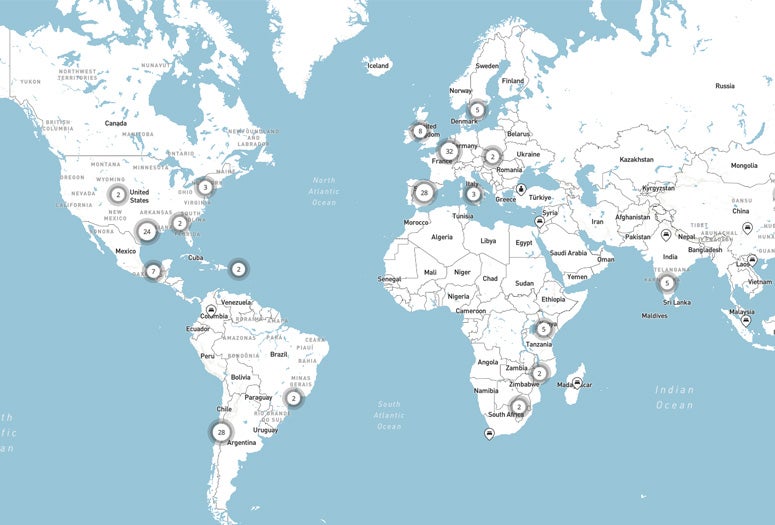
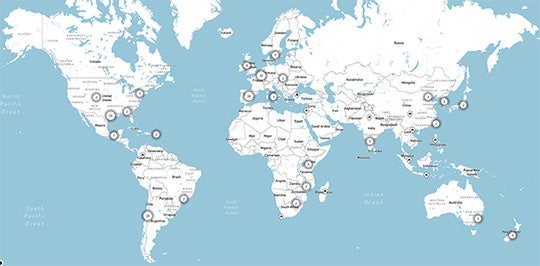
“It allows us to keep track of travelers very easily,” Crim said. “When something happens like the situation in Mexico or the Middle East, the first thing we do is open Crisis24, look at the map and see who’s there.”
Crim feeds information from the registry directly into the Crisis24 platform, which maps traveler locations and delivers alerts, insurance support and emergency assistance if needed. For Rice’s Emergency Management team, the registry improves the university’s crisis response.

“Maintaining visibility of where members of the Rice community are traveling allows us to respond quickly and coordinate support when conditions change overseas,” said Jerusha Kasch, director of emergency management. “The travel registry gives the university the situational awareness needed to check on travelers, share timely information and connect them with the resources they may need during an evolving incident.”
Crim said the system works best when travelers register their trips in advance and reach out to travelsafety@rice.edu with any itinerary updates to ensure the university has up-to-date information. That information allows the university to act quickly if global events suddenly affect a destination.