
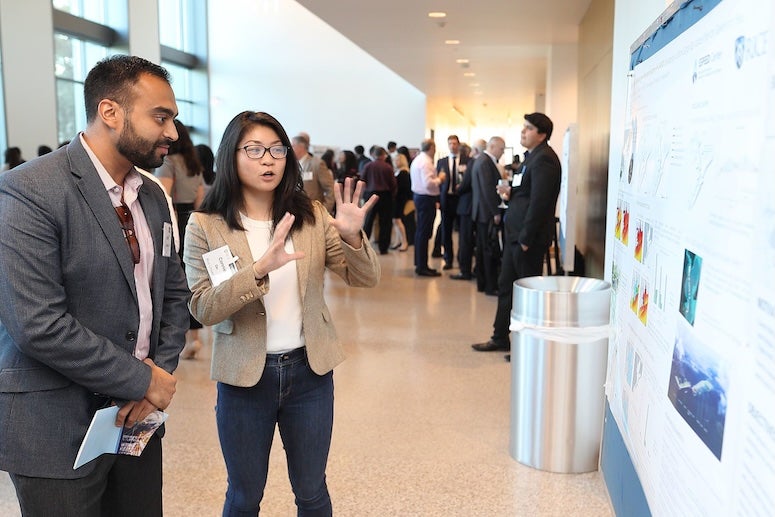
Rice University has received a $2.4 million grant from the Houston Endowment to expand opportunities for students in the Master of Social Policy Evaluation (MSPE) program and to strengthen the impact of nonprofit work across Houston.
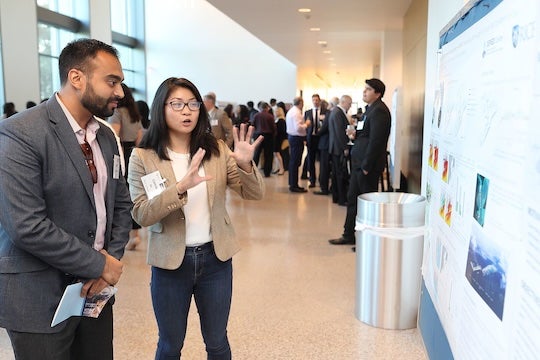
At its core, the investment is about people. It gives Rice students the tools, experience and support to step directly into meaningful, data-driven careers while helping local organizations better understand and improve the work they do every day.
The three-year grant will provide funding support for students in the program and introduce new fellowship opportunities for alumni who remain in Houston after graduation to conduct evaluation work. These fellowships are designed to keep talent in the region, connecting Rice graduates with organizations that need skilled professionals to measure outcomes, improve programs and communicate their impact.
The initiative is a collaboration between Rice’s School of Social Sciences and the Kinder Institute for Urban Research, building on a shared commitment to strengthening communities through research, data and practice.
“This grant is an amazing investment in the Houston region,” said Dan Potter, director of the Houston Population Research Center in the Kinder Institute and lecturer in the MSPE program. “It will help improve the long-term use of data-driven decision-making across the region, while also being responsive to the immediate needs raised forward by nonprofits and other community organizations.”
The grant funding followed an initial planning grant from Houston Endowment, during which Rice hosted a series of community partner listening sessions where representatives from Houston nonprofits, government, health care organizations, independent consultants and foundations provided critical feedback that helped shape the effort.
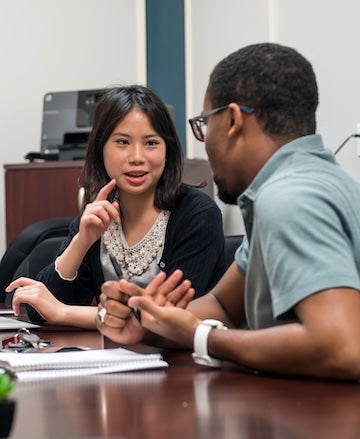
One outcome of those conversations is the development of a first-of-its-kind Community Help Desk, created in partnership with United Way of Greater Houston’s Coffee & Quality, which will help triage data and evaluation questions from organizations and connect them with resources and support.
“We’re thrilled to partner with Rice University to build on our Coffee & Quality work at United Way, where we help nonprofits turn data into action,” said Jessica Davison, assistant vice president for mission and strategy at United Way of Greater Houston. “By strengthening the talent pipeline and equipping organizations to learn from data and adapt, we’re helping ensure more effective, community-driven solutions and a deeper impact for households across greater Houston.”
Houston’s nonprofit and public sectors face a growing demand for professionals who can translate data into action. This effort helps close that gap by pairing rigorous academic training with hands-on, real-world experience, ensuring students graduate not just with knowledge but with the ability to apply it where it matters most.
“We want greater Houston and Texas to become a national leader in how we measure and strengthen community impact. This investment will help build a stronger field of evaluators who operate as a true partner to communities and value both qualitative and quantitative insights,” said Brita Blesi, director of learning and evaluation at Houston Endowment. “We believe this work will be transformational not just for these institutions, but for the broader region.”
“The Houston Endowment grant is a strategic investment to build a deep pool of talent across the greater Houston area that will equip individuals with the skills to measure impact, learn from data and deliver stronger outcomes for the communities we serve,” said Abbey Godley, assistant dean for student programs. “We are excited to partner with the United Way of Greater Houston and Houston organizations on this important mission to help build a thriving Houston community for years to come.”
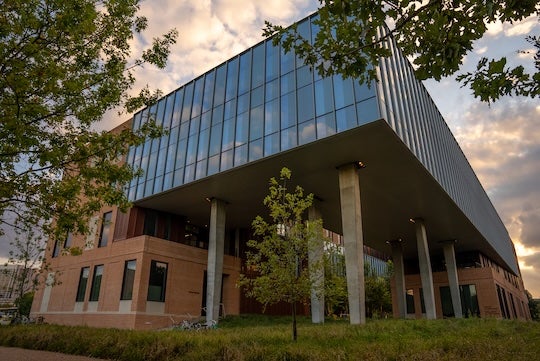
In addition to student and alumni support, the funding will expand opportunities for applied learning by connecting MSPE students with local organizations and giving them direct experience working on real evaluation challenges in the community.
The result is a model that benefits both students and the city. Graduates gain a clear pathway into impactful careers, and Houston organizations gain access to the expertise needed to strengthen programs and better serve the people who rely on them.