Abolition is usually told as a story of the 18th and 19th centuries. At Rice University last week, University of Virginia historian Kristina Richardson devoted her talk to abolitionist writers and communities in Abbasid Iraq between 950 and 1100.
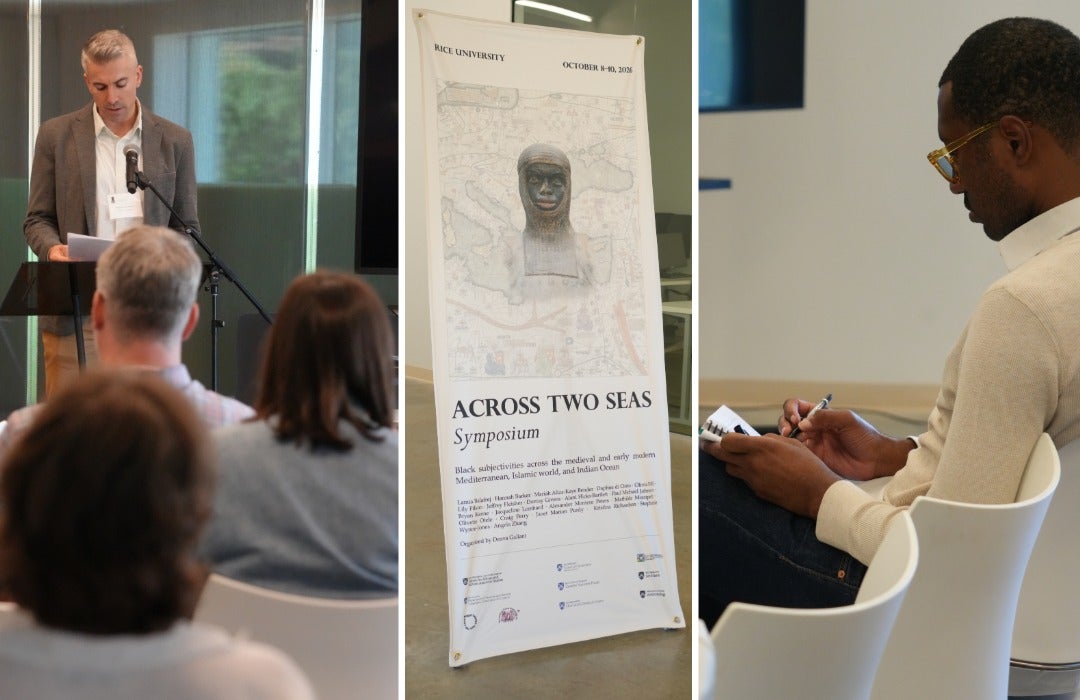
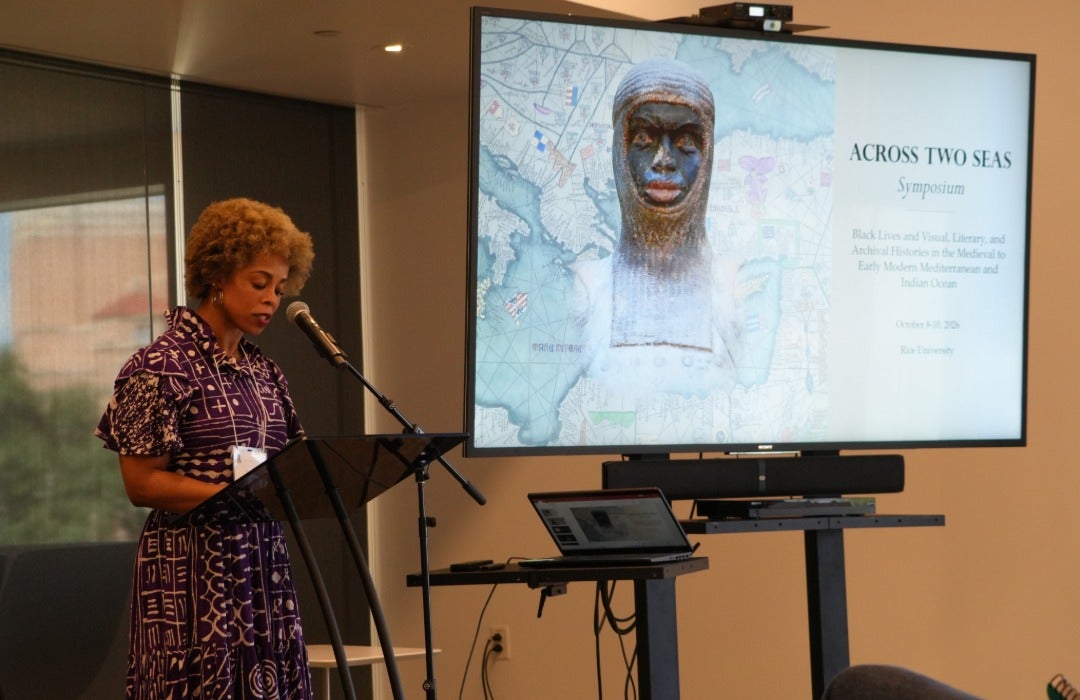
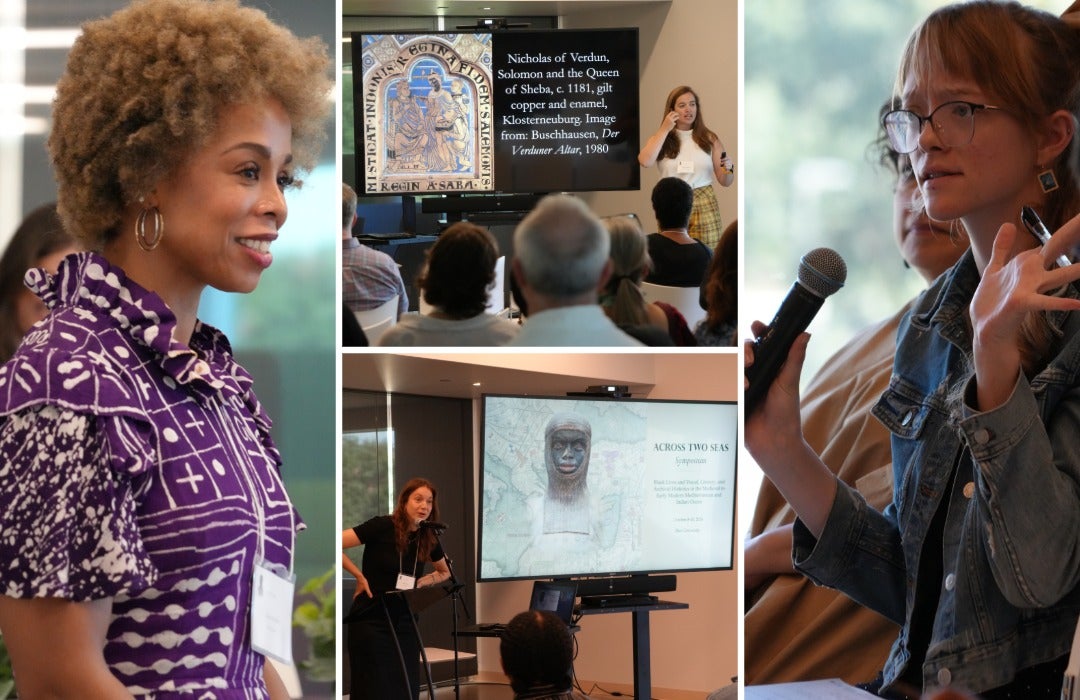
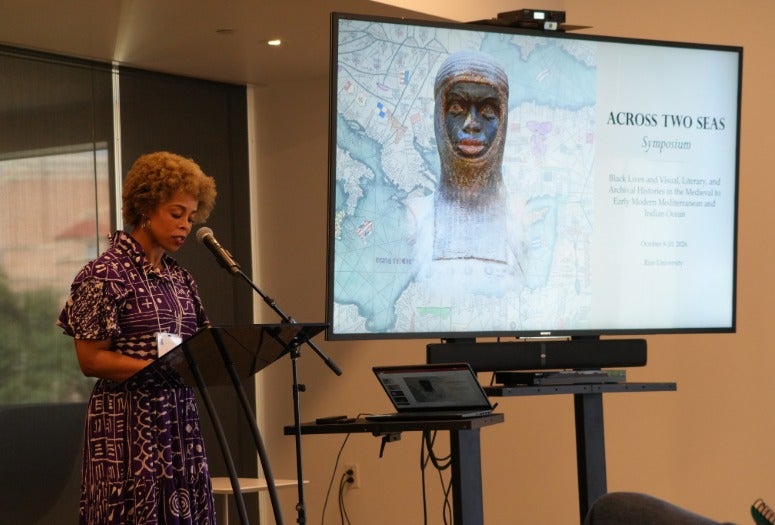
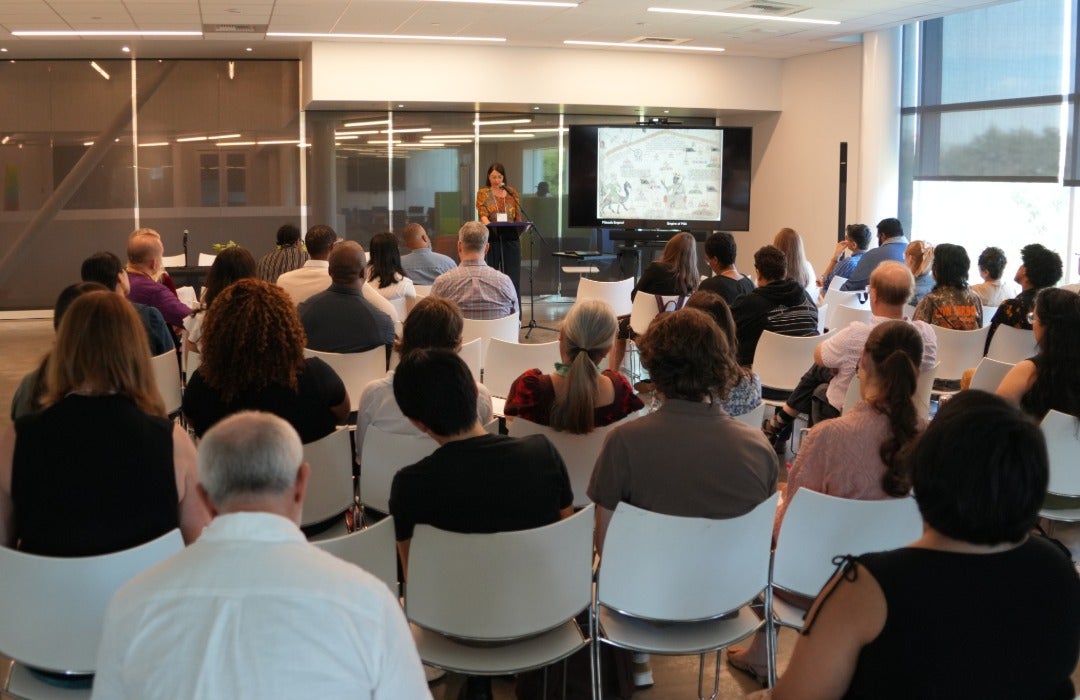
Her talk was one of 16 papers highlighted at Across Two Seas, a symposium Rice hosted Oct. 9-10 at the Moody Center for the Arts. Organized by Denva Gallant, associate professor of art history, the gathering examined how Black people were represented in art, literature and archival records across the medieval and early modern Mediterranean, Islamic world and Indian Ocean. Its scope pushed premodern race studies beyond the European frame that has long dominated the field.
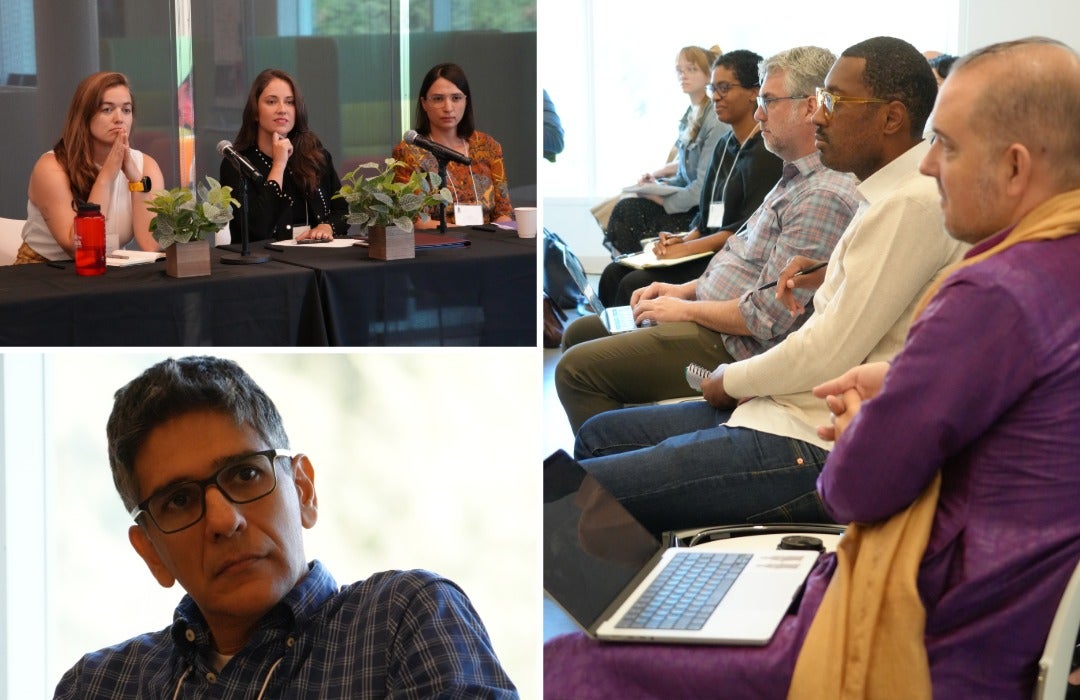
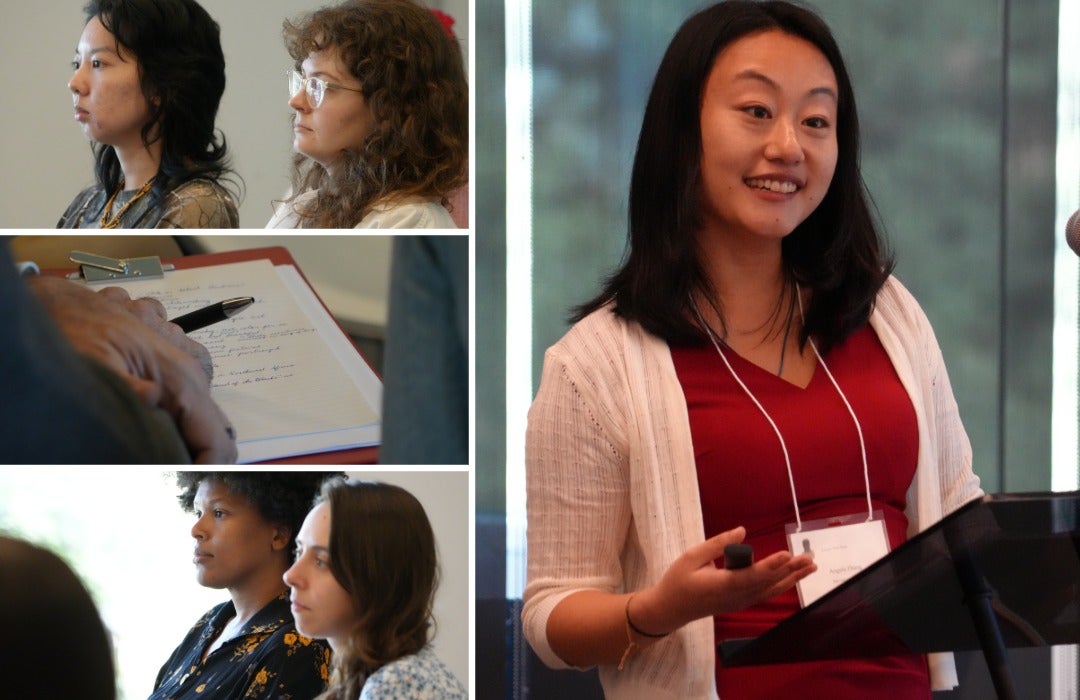
“What excited me most was seeing scholars from so many different fields — art historians, historians, anthropologists, literary scholars and curators — engaging in conversations with one another,” Gallant said. “We also had scholars and graduate students travel to Rice from across the country, which brought such a wonderful range of perspectives into the room.”
Presenters moved from a Black Queen of Sheba at Austria’s Klosterneuburg Abbey to histories of Blackness in medieval Egypt. Jeffrey Fleisher, professor and chair of anthropology at Rice, turned to the Swahili coast of East Africa and asked what scholars gain by calling that past “medieval.”
The second day opened in Renaissance Florence with a screening of “Il Moro,” Daphne Di Cinto’s Oscar-longlisted short film about Alessandro de’ Medici, the city’s first duke, often described as the first Black head of state in modern Western Europe. Di Cinto, whom viewers may recognize from Netflix’s “Bridgerton,” discussed the film afterward with Olivette Otele, distinguished research professor of the legacies and memory of slavery at SOAS University of London.
The roster drew from Harvard University; University of California, Los Angeles; Johns Hopkins University; the University of Cambridge; and the Art Institute of Chicago among other institutions. Rice faculty Farshid Emami, Judith Brunton, Andrew Kraebel, Julia Tomasson, Hayley O’Malley, Sophie Crawford-Brown, Caroline Fache and Olivia K. Young served as session moderaters. Art history doctoral student Tara Oluwafemi assisted Gallant with organizing the symposium as well.
Curators pushed those exchanges toward the gallery floor. In a final roundtable, Janet Purdy, the Barbara Franke Associate Curator of Textiles at the Art Institute of Chicago, and Bryan C. Keene, a Riverside City College art historian who developed 15 exhibitions at the Getty Museum, discussed how museums can present Blackness within a global Middle Ages.
Gallant added that organizers are working with the Arizona Center for Medieval and Renaissance Studies will soon post recordings of the presentations on YouTube, so audiences beyond Houston can engage with the scholarship.