
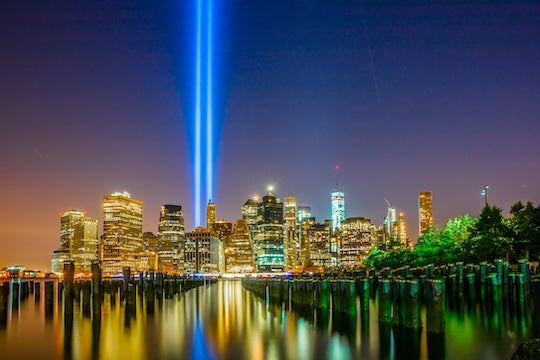
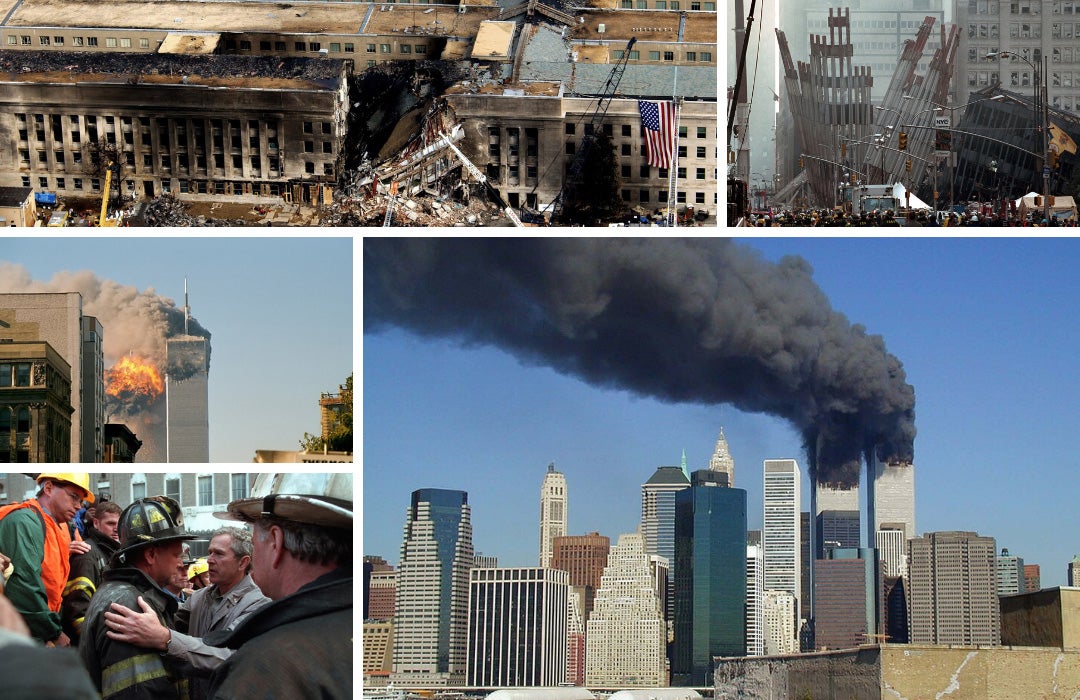
Twenty-five years after the Sept. 11, 2001, terrorist attacks, the basic facts of what happened are well established. But for a generation of college students who have no memory of that day, the meaning of 9/11 and the consequences of the American response to it are increasingly matters of history.
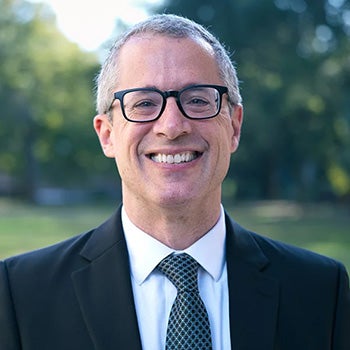
For Nathan Citino, the Barbara Kirkland Chiles Professor of History at Rice University, the 25th anniversary offers an opportunity to look beyond the attacks themselves and consider how the past quarter-century has reshaped American politics, foreign policy and society.
“The events, what happened, the attack on the United States, who perpetrated it — I think those facts were known fairly soon,” he said. “What’s evolved over a long period of time, and we’re really talking about a generation of time, is the perspective on the meaning of those events as the consequences of them and our response to them have unfolded.”
The anniversary also coincides with another major milestone: 2026 marks the 250th anniversary of the United States’ Declaration of Independence. Citino said considering the two anniversaries together raises a much older question in American history: How does the country’s role abroad affect its political life at home?
The United States’ military involvement in Afghanistan and Iraq following 9/11, he argues, illustrates the tension between American democratic-republican ideals and an expansive foreign policy. The war in Afghanistan began in response to the presence of al-Qaida, the terrorist organization responsible for the attacks. The 2003 invasion of Iraq, however, was not directly connected to the 9/11 attacks, despite the Bush administration’s broader post-9/11 foreign policy. Those wars, which stretched across two decades, had consequences far beyond the battlefield, Citino said.
One example is the creation of the Department of Homeland Security, which did not exist before 9/11. The department represented a new way of thinking about national security within American domestic life, including questions about immigration and who belongs within the “homeland,” Citino said.
Another was the USA PATRIOT Act, passed shortly after the attacks, which expanded the government’s surveillance and investigative powers. Citino also sees the post-9/11 period as an important part of the growing antagonism in American political discourse.
“People became not simply political adversaries or people who had different political ideas, but became enemies,” the professor said.
In this view, the legacy of 9/11 is not limited to foreign policy. It also includes debates over surveillance, civil liberties, immigration, political polarization and the rule of law. The wars that followed 9/11 also contributed to a broader loss of trust in American institutions, he said. Political leaders from both parties, academics and major media organizations largely supported the post-9/11 wars in their early years. As those wars became longer and more controversial, many Americans became disillusioned with the institutions that had supported them.
Citino connects that loss of trust to the later rise of antiestablishment politics, including the political success of Donald Trump.
“Without those ‘forever wars,’ I don’t think Donald Trump would have had the political success that he’s had,” the professor said.
At the same time, Citino emphasized that the post-9/11 period was not entirely negative. In the years following the attacks, interest grew in studying the Middle East, the Arabic language and the relationship between the U.S. and other parts of the world. Government funding supported education and training in these areas as well — Citino worked with K-12 teachers through the federal Teaching American History program, which connected university faculty with educators.
But much of that interest and funding declined as Americans became increasingly disillusioned with the wars, particularly following the 2008 financial crisis. There are still relatively few scholars who study the interactions between the U.S. and Middle Eastern societies using regional languages, Citino said.
That lack of expertise has consequences.
“In some ways, and I think about the current war against Iran, we haven’t learned the lessons of 9/11 in terms of the limits of military power,” Citino said.
For current college students, perhaps the most significant difference between 2026 and the years immediately following 9/11 is personal memory. Many of today’s students were born after the attacks or were too young to remember them. Their relationship with 9/11 can be compared to the way the previous generation encountered events such as the Vietnam War: as textbook history rather than lived experience.
“That does not mean, however, that the consequences of 9/11 feel distant,” Citino said.
In addition to the lives lost, Citino pointed to the long-term financial costs of the post-9/11 wars, including military spending and veterans’ care. The Costs of War project at Brown University, which Citino uses in class, attempts to calculate those broader costs. For students concerned about paying for college, buying a home or financing further education, those choices about national spending can make the legacy of 9/11 feel surprisingly immediate.
“They kind of viscerally feel the costs of 9/11 in terms of their future and the resources that we devoted elsewhere that could have been used for other purposes,” he said. “The relationship between the domestic and the foreign — there really isn’t a division at all. It’s very much a kind of single experience of the last 20 or 30 years.”
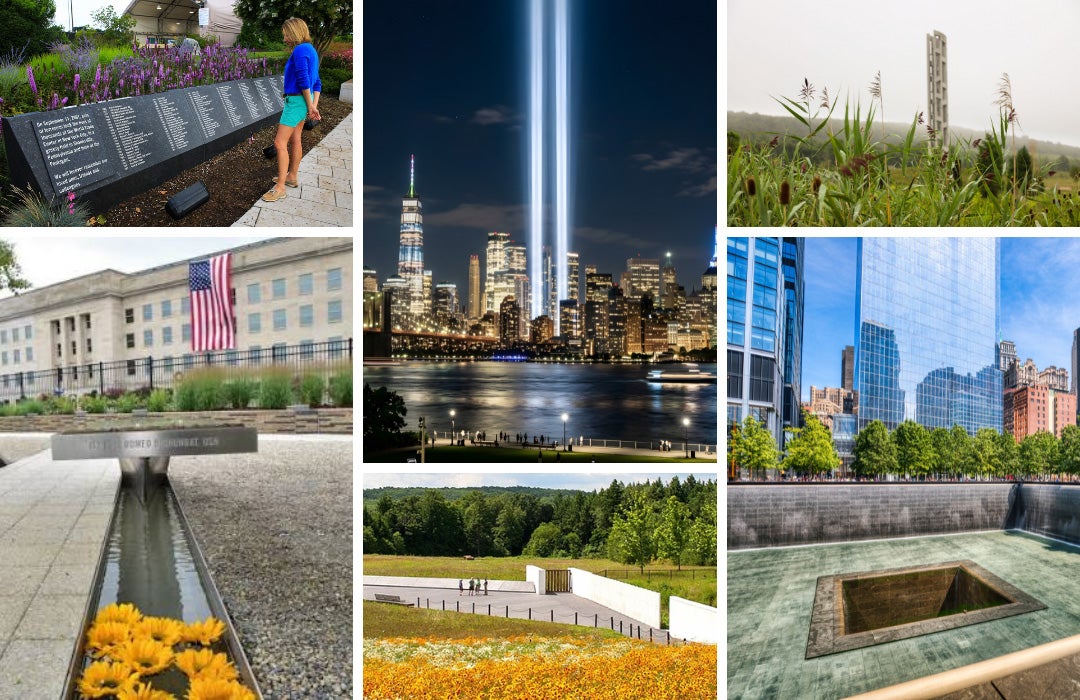
Yet Citino cautions against describing 9/11 simply as an event that “changed everything.” Historians often debate whether major events represent genuine turning points or accelerate trends that were already underway. The country’s response to the attacks also echoed earlier moments in American history.
The early Cold War offers one example. After World War II, the U.S. initially faced pressure to reduce its military presence. Instead, the emergence of the Soviet Union as a global rival led to a massive military buildup, new national security institutions and a sustained effort to build public support for an expanded American role abroad.
During this period of expansion, the United States established the framework for a significant geopolitical footprint across the Middle East. This strategic evolution involved the cultivation of petroleum assets, the formal endorsement and backing of the Israeli state and the integration of regional concerns into the nation’s overarching defense planning.
The period also brought McCarthyism and the Red Scare, during which dissent could be stigmatized as disloyal or dangerous. There are direct parallels in the post-9/11 era, particularly in the rise of Islamophobia and the portrayal of Muslims and the Middle East as security threats, Citino said. That comparison does not diminish the uniqueness of 9/11, he argues. Rather, it places the American response within a longer historical pattern.
The attacks themselves may increasingly belong to history for younger Americans. But the wars, institutions, political divisions and debates over America’s role in the world that followed them remain part of the present. For a generation that cannot remember watching the attacks unfold, understanding 9/11 may therefore depend less on remembering the morning of Sept. 11, 2001, and more on understanding everything that happened afterward.